This recipe presents a fundamental shift away from grain-based or complex cauliflower crusts by constructing the foundation entirely from seasoned sausage. The result is a savory, high-protein base that perfectly complements classic pizza toppings. This sausage crusted keto pizza is not a compromise; it is a structurally sound and flavorful dish in its own right. By focusing on the properties of the meat itself, we can build a superior pizza experience without the use of flour, nuts, or excessive dairy in the crust.
The core of this method lies in treating the sausage as a distinct culinary component that must be prepared correctly before it can function as a pizza base. We will par-bake the crust to render fat and create a firm platform. This critical step prevents the final product from becoming greasy or structurally unstable. The toppings—specifically bell peppers, onions, and low-moisture mozzarella—are selected to balance the richness of the meat, resulting in a cohesive and satisfying meal.
Mastering the Sausage Crust Foundation
The success of a sausage crusted keto pizza is determined before any toppings are introduced. The composition and preparation of the sausage base are paramount. Two factors require precise attention: the selection of the sausage and the technique used for forming the crust.
Selecting the Optimal Sausage
The ideal choice for this application is a high-quality bulk Italian sausage. The term “bulk” refers to sausage that is not packed into casings, which simplifies preparation considerably. If only sausage links are available, you will need to carefully slice open the casings and remove the meat. The fat content is crucial; a sausage with approximately 20-25% fat will render enough liquid to cook properly without becoming dry, yet not so much that the crust cannot become firm.
A combination of spicy and mild Italian sausage offers a more complex flavor profile. The seasonings are already integrated, containing fennel, garlic, and other aromatics that form a classic pizza flavor base. While turkey or chicken sausage can be substituted, be aware of their lower fat content. This may result in a drier crust and less shrinkage during the initial bake. You may need to add a small amount of olive oil to the mix to compensate.
The Science of Forming the Crust
Achieving a uniformly thin crust is essential for even cooking. The most effective method involves parchment paper. Place one pound of bulk sausage between two large sheets of parchment. Using a rolling pin, apply even pressure to spread the meat into a circle approximately 10-12 inches in diameter. The parchment paper creates a non-stick surface, allowing the sausage to spread without tearing or adhering to the rolling pin. This physical barrier is more effective than using flour or oil, which would alter the composition of the crust. Aim for a thickness of about one-quarter inch. A consistent thickness means that all areas of the crust will cook at the same rate, preventing some parts from burning while others remain undercooked.
Managing Moisture and Fat Content
The primary challenge in creating a sausage crust is managing the significant amount of fat and moisture that renders during cooking. A two-step baking process is not optional; it is a mandatory procedure for a crisp, functional crust.
Pre-Baking and Rendering Fat
Once the crust is formed on the parchment paper, it should be transferred to a baking sheet and baked in a preheated oven at 400°F (200°C). During this initial 10-12 minute bake, several important chemical changes occur. The heat causes the protein in the sausage to denature and firm up, creating the crust’s structure. Simultaneously, the fat within the meat liquefies and renders out. You will notice the crust shrinking by approximately one inch in diameter as the water evaporates and the proteins contract.
This pre-baking step also initiates the Maillard reaction on the surface of the sausage, contributing to browning and developing deep, savory flavors that are essential for the final pizza. Do not proceed to the topping stage until this initial bake is complete and the rendered fat has been properly managed.
The Critical Step: Draining the Grease
After the initial bake, carefully remove the baking sheet from the oven. A significant pool of rendered fat will have collected on the surface and around the edges of the crust. This fat must be removed. Tilting the baking sheet and pouring off the liquid fat into a heatproof container is the most direct method. Following this, use several layers of paper towels to gently blot the entire surface of the sausage crust. This blotting action absorbs any remaining surface grease, which is the primary cause of a soggy final pizza. A dry surface is necessary for the tomato sauce and cheese to adhere properly without creating a greasy, separated texture.
Constructing a Superior Low Carb Pizza Recipe
With a properly prepared sausage crust, the focus shifts to the toppings. Every component added must be considered for its moisture content and flavor contribution to maintain the integrity of this unique low carb pizza recipe. The goal is to build flavor without introducing excess water.
Choosing a Low-Sugar Tomato Sauce
Many commercially prepared pizza and marinara sauces contain a surprising amount of added sugar, which can add unnecessary carbohydrates. It is imperative to read ingredient labels and select a sauce with no added sugars and a minimal carb count per serving. Look for brands that list tomatoes, herbs, and olive oil as the primary ingredients. Alternatively, creating a simple sauce from canned crushed tomatoes, garlic, oregano, and salt gives you complete control over the contents. Use a thin layer of sauce; about one-third of a cup is sufficient. An overly generous application of sauce will contribute too much moisture.
Topping Synergies
The best toppings for a sausage crusted pizza are those that complement its rich flavor without releasing excessive water. Sliced bell peppers and onions are excellent choices, but they should be sliced thinly to ensure they cook through during the final bake. Mushrooms, while a classic topping, contain a very high water content and should be pre-sautéed to cook off moisture before being added to the pizza. Other suitable toppings include black olives, pepperoni, and fresh herbs. For a sharp, tangy contrast, a scattering of unique ingredients like pickled garlic can cut through the richness of the sausage and cheese.
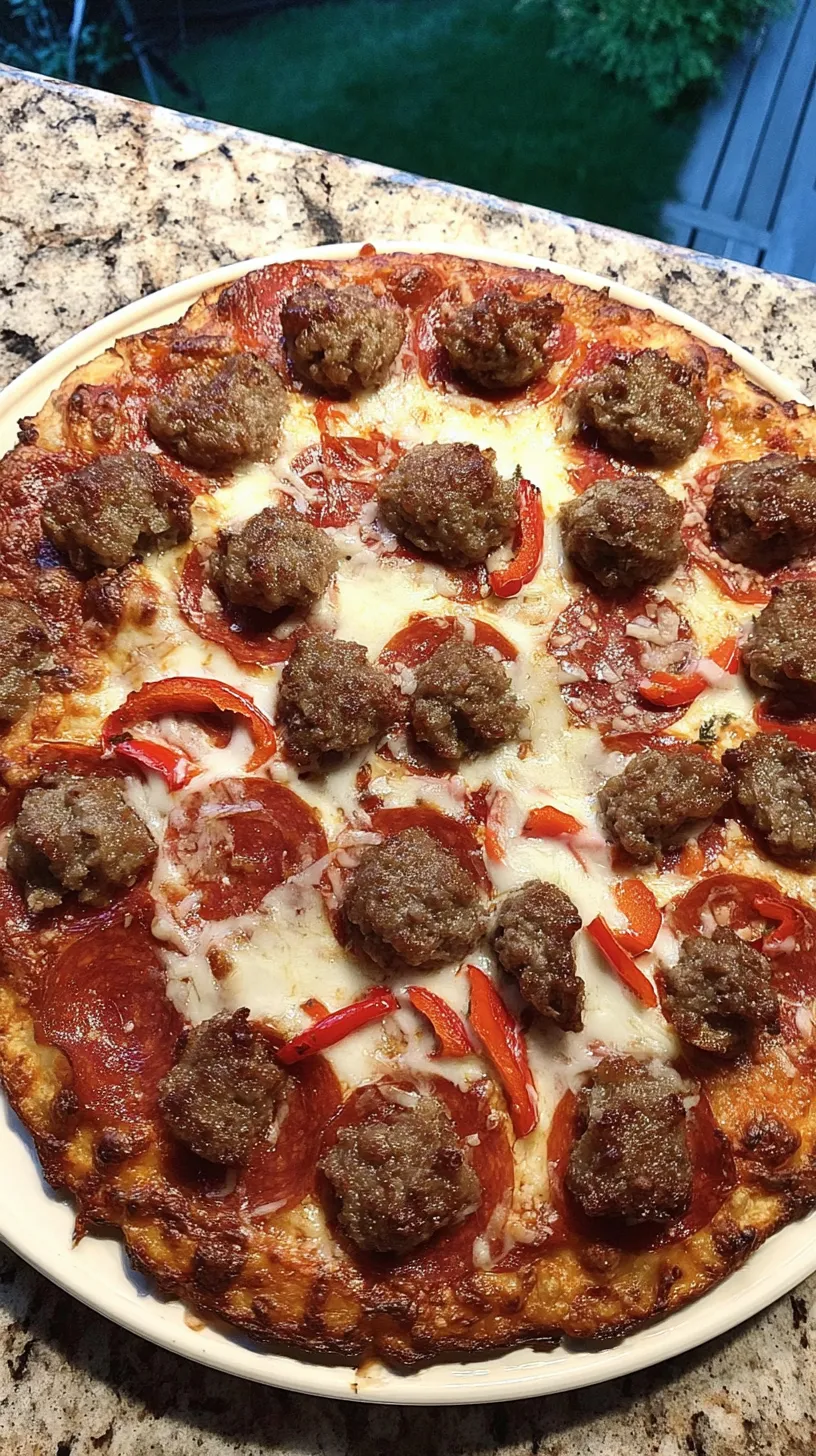
The Final Assembly and Bake for Your Sausage Crust Pizza
The final stage brings all prepared components together. The order of operations and the final bake are designed to meld the flavors while maintaining the crispness of the crust and achieving perfectly melted cheese.
Layering for Structural Integrity
The sequence of layering is based on moisture management. After the par-baked and drained sausage crust has cooled slightly, spread the thin layer of low-sugar tomato sauce evenly, leaving a small border around the edge. Next, apply the cheese. Using low-moisture, part-skim mozzarella is a technical choice to limit water content. The cheese layer functions as a barrier, protecting the crust from moisture that might be released from the toppings during the final bake. Finally, arrange your chosen toppings, such as sliced peppers and onions, over the cheese. The principles of layering ingredients for optimal texture are fundamental in many international culinary preparations, and they apply directly here.
Achieving the Perfect Finish
Return the assembled sausage crusted keto pizza to the 400°F (200°C) oven. Place the baking sheet on a middle rack to promote even heat circulation. Bake for an additional 10-15 minutes. The visual cues for doneness are clear: the cheese should be fully melted, bubbly, and starting to develop small golden-brown spots. The peppers and onions should be tender-crisp. Once removed from the oven, allow the pizza to rest on the baking sheet for at least five minutes before slicing. This resting period is critical; it allows the melted cheese to solidify slightly, which prevents the toppings from sliding off when the pizza is cut. Use a sharp pizza wheel or a large chef’s knife to slice and serve immediately.
Sausage Crusted Pizza with Peppers and Onions
This recipe provides a definitive method for creating a savory, gluten-free pizza base that is both sturdy and full of flavor. Follow the steps precisely for a perfect result.
Delicious Sausage Crusted Keto Pizza with Peppers
Ingredients
- 1.5 lbs ground Italian sausage mild or hot, casing removed if applicable
- 1 large egg
- 0.5 cup Parmesan cheese grated
- 0.5 tsp garlic powder
- 0.25 tsp onion powder
- 1 cup low-carb marinara sauce sugar-free
- 2 cups mozzarella cheese shredded, full-fat
- 0.5 red bell pepper thinly sliced
- 0.5 green bell pepper thinly sliced
- 0.25 yellow onion thinly sliced
- 4 oz mushrooms sliced (optional)
- 1 tbsp olive oil
- 1 tsp dried oregano
- fresh basil for garnish (optional)
Instructions
- Preheat your oven to 400°F (200°C). Line a large baking sheet (approximately 13×18 inches) with parchment paper. This is crucial for preventing the sausage crust from sticking.
- In a large mixing bowl, combine the ground Italian sausage, large egg, grated Parmesan cheese, garlic powder, and onion powder. Mix well with your hands until all ingredients are evenly distributed. Do not overmix.
- Transfer the sausage mixture to the center of the prepared baking sheet. Using your hands or a spatula, press the sausage evenly into a large, thin pizza crust shape, about 1/4 to 1/3 inch thick. Ensure the edges are slightly raised to form a rim.
- Bake the sausage crust for 15-20 minutes, or until golden brown and cooked through. During baking, some fat will render out; you may gently blot any excess fat with paper towels if desired, being careful not to tear the crust.
- While the crust is baking, prepare your toppings. Heat olive oil in a large skillet over medium heat. Add the sliced red bell pepper, green bell pepper, yellow onion, and sliced mushrooms (if using). Sauté for 5-7 minutes until the vegetables are slightly softened but still have a bit of a crisp texture. Season lightly with salt and pepper.
- Once the crust is pre-baked, remove it from the oven. Spread the low-carb marinara sauce evenly over the sausage crust, leaving a small border for the crust edge. Sprinkle generously with half of the shredded mozzarella cheese.
- Arrange the sautéed bell peppers, onions, and mushrooms over the cheese. Top with the remaining mozzarella cheese and sprinkle with dried oregano.
- Return the pizza to the oven and bake for another 10-15 minutes, or until the cheese is melted, bubbly, and slightly golden. If desired, you can broil for the last 1-2 minutes for extra browning, watching carefully to prevent burning.
- Remove from the oven and let the pizza cool for 5 minutes before slicing and serving. Garnish with fresh basil, if using. Enjoy your delicious, low-carb sausage crusted pizza!
Notes
How do you easily roll sausage for the crust?
To prevent the sausage from sticking and to achieve a uniform thickness, use parchment paper. Place the bulk sausage between two large sheets of parchment paper. Use a rolling pin on top of the paper to press and roll the meat into a circle. The paper acts as a non-stick barrier, making the process clean and effective.
What kind of sausage should I use for the crust?
For the best flavor and texture, use a quality bulk Italian sausage. You can find this in most grocery stores, either in a tube or a tray. A mix of spicy and mild varieties adds depth. If you can only find links, you must remove the casings before using the meat. Turkey sausage is a leaner alternative, but the crust may be slightly drier.
Why might my sausage crusted pizza be soggy?
Sogginess is almost always caused by excess moisture and fat. There are two common reasons. First, you may not have adequately drained the grease after the initial bake of the crust. Second, you must use paper towels to blot the crust surface dry after draining the liquid fat. Allowing the pizza to rest for a few minutes before cutting also helps the structure set and prevents a soggy outcome.
How much will the sausage crust shrink when baked?
Expect the sausage crust to shrink by about one inch in diameter during the initial par-baking stage. This is a natural result of water evaporating and fat rendering out of the meat. A significant amount of fat will be rendered; this is normal and should be drained off after about 10 minutes of baking, before you add any toppings.
Conclusion
By treating the sausage as a technical ingredient and managing its properties, you can produce a flawless sausage crusted keto pizza. The key procedures are pre-baking the crust, thoroughly draining the rendered fat, and using low-moisture toppings. This method yields a delicious, protein-rich, and structurally sound pizza that stands as a superior dish, not merely a substitute.