Achieving perfectly tender-crisp baked zucchini is a matter of technique and understanding the properties of the vegetable itself. Many attempts result in a soggy, unappealing dish because the high water content of zucchini is not properly managed. This guide focuses on the precise steps to produce consistently delicious baked zucchini with a golden-brown finish and a firm bite. The key lies in the preparation, the oven temperature, and the timing.
The goal is to roast the zucchini, not steam it. By following a specific method, you can draw out just enough moisture to concentrate the flavor while creating a pleasantly crisp exterior. This dish serves as an excellent side for a wide range of main courses, making it a versatile addition to your cooking repertoire. We will cover the ingredient science, preparation methods, and cooking process to ensure success.
Understanding the Ingredients for Baked Zucchini
The success of this simple dish depends on a few core components working together. Each ingredient has a specific function beyond flavor, from facilitating browning to managing moisture. Understanding their roles is the first step toward mastering the recipe.
The Zucchini
Select medium-sized, firm zucchini with smooth, unblemished skin. Smaller zucchini tend to have fewer seeds and a lower water content, which is ideal for this application. The vegetable’s cellular structure is delicate and contains approximately 95% water. The primary challenge is to cook it quickly enough to retain its structural integrity without it becoming mushy.
Olive Oil
Olive oil is not just for preventing sticking; it is a conductor of heat. A light coating of extra virgin olive oil helps the surface of the zucchini reach a high temperature quickly. This promotes the Maillard reaction, the chemical process responsible for the browning and the development of complex, savory flavors. It also helps the seasonings and Parmesan adhere to the zucchini slices.
The Seasoning Base
A simple combination of Italian seasoning, salt, and pepper forms the flavor foundation. Italian seasoning provides a blend of dried herbs that complements the mild taste of zucchini. Salt plays a crucial role through osmosis, drawing some moisture to the surface of the zucchini slices before they enter the oven. This initial water extraction is vital for achieving a less watery final product.
Shredded Parmesan Cheese
Parmesan cheese contributes saltiness, a savory umami flavor from its glutamates, and texture. When baked at high heat, the cheese melts and browns, forming a delicious, slightly crispy crust on each slice. For the best melt, use freshly shredded Parmesan from a block rather than pre-shredded cheese, which often contains anti-caking agents that can hinder melting.
Mastering the Preparation for Flawless Zucchini
How you prepare the zucchini before it enters the oven is just as important as the baking process itself. These steps are designed to control moisture and ensure even cooking, directly impacting the final texture of the baked zucchini.
The Significance of Slice Thickness
Cut the zucchini into uniform slices approximately 1/2-inch thick. If the slices are too thin, they will cook too quickly and turn limp and soggy. If they are too thick, the exterior may brown before the interior is cooked through. A consistent 1/2-inch thickness provides the perfect balance, allowing the zucchini to become tender while retaining a satisfying bite.
The Art of Seasoning
Place the sliced zucchini in a bowl before adding the oil and seasonings. Tossing the zucchini in a bowl ensures that every surface of each slice is evenly coated. This method is superior to sprinkling seasonings over zucchini laid out on a pan, which often results in uneven flavor distribution. A complete coating of oil is particularly important for uniform browning.
Arrangement on the Baking Sheet
Arrange the seasoned zucchini slices in a single, even layer on a large baking sheet. Do not allow the slices to overlap. Overcrowding the pan traps steam, causing the zucchini to steam rather than roast. This is the most common reason for mushy results. Use two baking sheets if necessary to give each slice adequate space. The air circulation around each piece is critical for developing a roasted texture.
The Science of Oven Roasted Zucchini
The cooking process for oven roasted zucchini is a two-stage method involving high-heat baking followed by a brief period under the broiler. This combination ensures the zucchini is cooked through but still firm, with a perfectly golden and crisp topping.
The Role of High-Heat Baking
Preheating your oven to a high temperature, specifically 425°F (220°C), is non-negotiable. This intense heat works to quickly evaporate surface moisture and begin the browning process. The initial blast of heat sears the exterior of the zucchini, helping to lock in flavor and prevent the interior from overcooking and releasing all its water into the pan. Baking for a short duration of 5-7 minutes is typically sufficient to cook the zucchini to a tender-crisp state.
Finishing with the Broiler
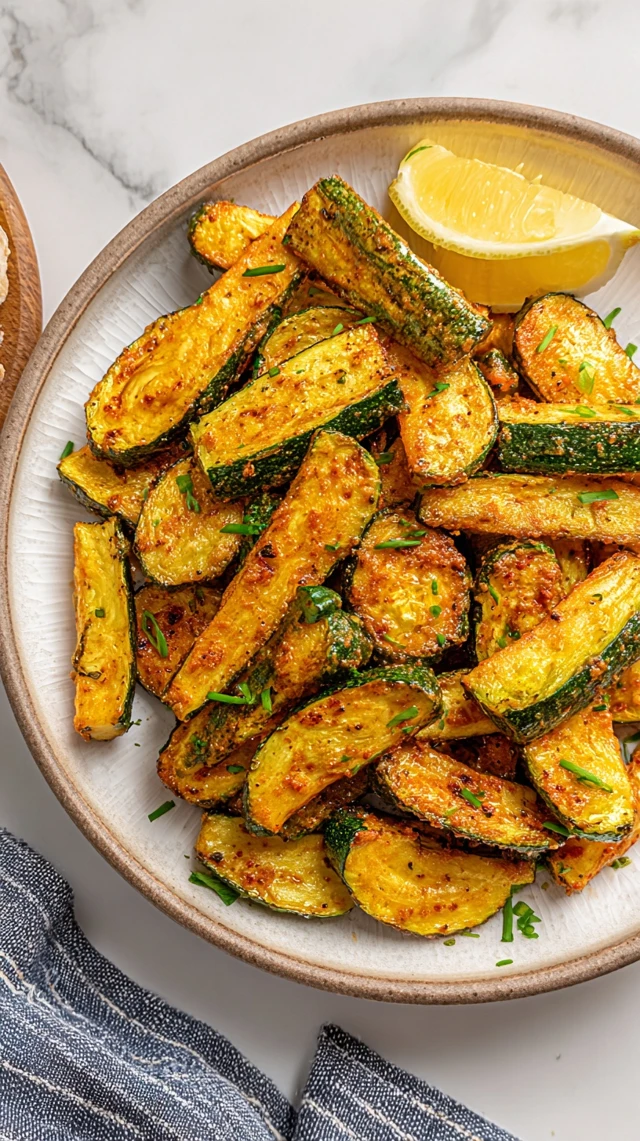
After the initial bake, switching the oven to the broil setting provides direct, intense heat from above. This step is designed specifically to melt and brown the Parmesan cheese, creating that irresistible golden crust. This must be watched carefully, as the cheese can go from perfectly browned to burnt in under a minute. This finishing touch adds a significant textural contrast and visual appeal to the dish, making it a standout side for dishes like a classic herb-crusted rack of lamb.
Baked Zucchini Variations and Troubleshooting
Once you have mastered the basic technique for baked zucchini, you can begin to introduce variations. It is also important to know how to troubleshoot common issues to guarantee a perfect result every time you make it. These simple adjustments can be applied to many international recipes.
Seasoning Alternatives
While Italian seasoning is a classic choice, you can easily adapt the flavor profile. For a brighter taste, substitute the Italian herbs with lemon pepper seasoning. For a smoky kick, add a pinch of smoked paprika or chipotle powder to the mix. You can also incorporate minced fresh garlic or garlic powder for a more pungent flavor. After baking, a sprinkle of fresh herbs like chopped parsley or basil can add a burst of freshness.
How to Prevent Mushy Zucchini
The primary cause of mushy zucchini is overcooking. Zucchini cooks very quickly, so it is essential to monitor it closely. The goal is tender-crisp, not soft. Second, as mentioned before, never overcrowd the baking sheet. Leaving ample space between slices allows hot air to circulate, which roasts the zucchini instead of steaming it. Finally, ensure your slices are at least 1/2-inch thick. Thicker slices are more forgiving and less likely to turn mushy than thinner cuts.
Another factor is the salt. While pre-salting helps draw out some water, letting the salted zucchini sit for too long before baking can cause it to release too much liquid, resulting in a steamed texture. Toss with salt and other seasonings just before placing the zucchini in the oven for optimal results.
Simple Baked Zucchini Recipe
Here is the definitive method for achieving perfectly roasted, flavorful zucchini every time. Follow the steps precisely for a side dish that is sure to impress.
Easy Baked Zucchini Recipe
Ingredients
- 2 lbs zucchini about 3-4 medium, ends trimmed, sliced into 1/2-inch thick rounds or half-moons
- 2 tbsp olive oil
- 1 tsp garlic powder
- 0.5 tsp salt
- 0.25 tsp black pepper freshly ground
- 0.5 cup Parmesan cheese grated, divided
- 2 tbsp fresh parsley chopped, for garnish (optional)
Instructions
- Preheat your oven to 400°F (200°C). Line a large baking sheet with parchment paper for easier cleanup, if desired.
- In a large mixing bowl, combine the sliced zucchini, olive oil, garlic powder, salt, and black pepper. Toss gently until the zucchini is evenly coated.
- Spread the seasoned zucchini in a single layer on the prepared baking sheet. Ensure not to overcrowd the pan; use two baking sheets if necessary for even cooking to ensure proper roasting rather than steaming.
- Bake for 10-12 minutes, or until the zucchini is starting to become tender-crisp and slightly golden at the edges.
- Remove the baking sheet from the oven. Sprinkle half of the grated Parmesan cheese (1/4 cup) evenly over the zucchini.
- Return to the oven and bake for another 3-5 minutes, or until the cheese is melted and lightly golden, and the zucchini is tender to your liking.
- Transfer the baked zucchini to a serving dish. Sprinkle with the remaining Parmesan cheese and fresh parsley, if using, before serving immediately as a delicious side dish.
Notes
How do you make baked zucchini?
To make baked zucchini, slice one or two medium zucchini into 1/2-inch thick rounds. In a bowl, toss the slices with one tablespoon of olive oil, one teaspoon of Italian seasoning, salt, and pepper until evenly coated. Arrange the zucchini in a single layer on a baking sheet, then top with shredded Parmesan cheese. Bake at 425°F for about 5 to 7 minutes, then switch to the broiler for 1 to 2 minutes until the cheese is golden and bubbly.
What ingredients are in baked zucchini?
The foundational ingredients for baked zucchini include medium zucchini, olive oil, Italian seasoning, salt, and black pepper. Shredded Parmesan cheese is used as a topping to create a savory, golden crust. These simple components work together to highlight the natural flavor of the zucchini.
Can I customize baked zucchini?
Yes, baked zucchini is highly customizable. You can swap the Italian seasoning for other blends like lemon pepper, garlic powder, or smoked paprika. For a fresh element, add finely minced garlic with the seasonings or finish the dish with fresh herbs like chopped parsley, dill, or basil after baking. Exploring different seasoning profiles can adapt the dish to any main course.
How do I prevent baked zucchini from becoming mushy?
To prevent mushy baked zucchini, avoid overcooking, as it cooks very quickly. Cut the zucchini into thicker slices, about 1/2-inch, to help it maintain its structure. Most importantly, do not overcrowd the baking sheet. Arrange the zucchini in a single layer to ensure it roasts in the dry heat of the oven rather than steams from trapped moisture.
Conclusion
By focusing on precise technique—from the thickness of the slice to the heat of the oven—you can consistently produce baked zucchini that is flavorful and firm. The principles of managing moisture and using high heat are key to avoiding the common pitfall of a soggy outcome. This method gives you a reliable framework for a delicious side dish that is both simple and refined.