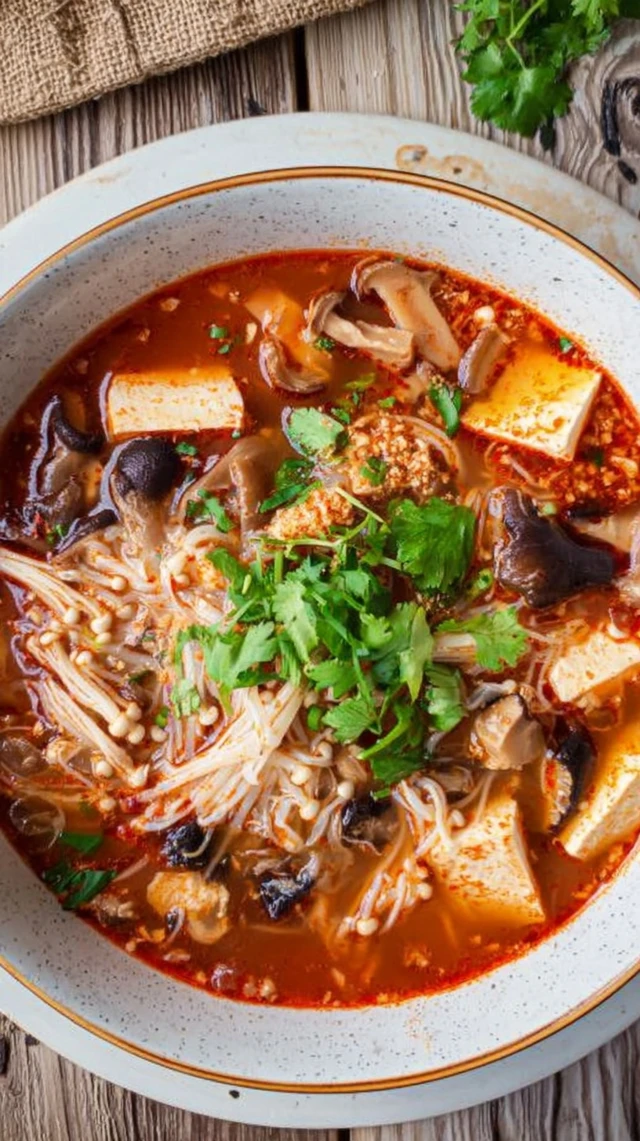
This Korean Tofu Soup, known traditionally as Sundubu Jjigae, is a study in texture and flavor. The central component is its incredibly soft, silken tofu, which acts as a creamy counterpoint to a robust, spicy, and deeply savory broth. The dish is not merely about heat; it is about a balanced complexity derived from fermented chili paste, chili flakes, and a foundational umami-rich stock.
Achieving the correct balance is the primary goal of this recipe. Each ingredient is selected for a specific purpose, contributing to the final, harmonious result. Making authentic Korean Tofu Soup at home is a process of precision, from building the stock to layering the final flavors in the pot. It is a rewarding culinary project that yields a deeply comforting and satisfying meal.
The Essential Components of Korean Tofu Soup
The quality of your Korean Tofu Soup is directly proportional to the quality of its ingredients. There is little room to hide imperfections in a dish with such a clear, defined flavor profile. Understanding the function of each component is the first step toward mastering the recipe.
The Critical Role of Sundubu (Silken Tofu)
The tofu used in this dish is not the firm or extra-firm variety found in stir-fries. Sundubu, or extra-soft silken tofu, is essential. It is typically sold in a tube and has an extremely high water content, giving it a custard-like consistency. Its delicate structure allows it to break apart easily into the stew, creating a silky texture that coats the palate. This tofu is prized for its ability to absorb the flavors of the surrounding broth without contributing much flavor of its own, making it a perfect vehicle for the spicy soup base.
Decoding the Spice: Gochugaru and Gochujang
The signature red hue and spicy kick of the soup come from two key Korean chili products: gochugaru (chili flakes) and gochujang (chili paste). Gochugaru provides a clean, bright heat and vibrant color. For the best results, use a high-quality, sun-dried gochugaru, which has a more complex, slightly smoky flavor. Gochujang, a fermented paste, contributes a deeper, more complex heat along with savory, slightly sweet, and funky notes from the fermentation process. Using both is not redundant; it is a required technique for layering spice and flavor.
Building the Foundational Broth
The broth is the soul of any great Korean Tofu Soup. A common mistake is to rely solely on water and the flavor paste. A properly constructed stock provides the necessary savory depth that supports the spicy elements. For this vegan-friendly version, the umami is built with kombu and shiitake mushrooms.
Achieving Umami with Kombu and Shiitake
Kombu, a type of dried kelp, is rich in glutamates, the compounds responsible for the savory taste known as umami. Dried shiitake mushrooms contain guanylates, another compound that, when combined with glutamates, produces a synergistic effect, creating an intensely savory and meat-like depth of flavor. This combination forms a powerful, plant-based broth that can stand up to the bold spices of the dish. It is a classic pairing in Korean and Japanese cooking for this very reason.
Temperature Control for a Clear Stock
Precision is key when working with kombu. The kelp should be added to cold water and brought to a gentle simmer. It must be removed before the water reaches a rolling boil. Boiling kombu can release compounds that give the broth a bitter taste and a slightly slimy texture. Gentle heating allows for the maximum extraction of glutamates without any undesirable side effects. After removing the kombu, the shiitake mushrooms can continue to simmer to release their full flavor.
Mastering the Sundubu Jjigae Recipe Assembly
With the broth prepared and ingredients understood, the final assembly of the Sundubu Jjigae recipe is a quick process. The technique involves creating a seasoned oil base, or “tare,” to which the broth is added.
Building the Flavor Base
The process starts by gently heating a neutral oil with minced garlic. Once the garlic is fragrant, the gochugaru is added and cooked for a brief period—just 30 seconds is sufficient. This step toasts the chili flakes, blooming their flavor and color into the oil. This seasoned chili oil forms the primary flavor base. Next, the gochujang, soy sauce, and sesame oil are stirred in, creating a thick, aromatic paste. Cooking this paste for a minute deepens the flavors before any liquid is introduced.
Incorporating Tofu and Final Touches
The prepared mushroom-kombu broth is then poured into the pot with the flavor paste and brought to a boil. Once boiling, the heat is reduced, and the silken tofu is carefully added. It’s best to break the tofu into large, rustic chunks as you add it to the stew. The soup is simmered for just a few more minutes to allow the tofu to heat through and absorb the broth’s flavor. Some recipes build flavor with other ingredients, like a creamy dip that uses salmon, but here the depth comes from the broth itself. Finally, the stew is finished with a crack of a fresh egg (if not vegan) and a sprinkle of chopped scallions just before serving.
Customizing Your Korean Spicy Tofu Stew
While the core recipe provides a fantastic result, one of its best attributes is its versatility. This base is a canvas for a variety of additions, allowing you to tailor the stew to your specific preferences or to what you have available in your kitchen.
Protein and Vegetable Additions
This Sundubu Jjigae recipe is vegan, but it can be easily adapted. For a traditional preparation, small pieces of pork belly or beef can be sautéed with the garlic at the beginning. Seafood is another classic addition; clams, mussels, or shrimp can be added to the broth along with the tofu to cook until they are just done.
For vegetables, consider adding sliced mushrooms like enoki or oyster mushrooms, which cook quickly and add a pleasant texture. Thinly sliced zucchini or onions can also be added with the broth for extra substance and flavor. The key is to choose items that cook quickly so they don’t overcook while the tofu heats through.
Proper Serving and Accompaniments
Korean Tofu Soup is traditionally served bubbling hot in the earthenware pot (dolsot) it was cooked in. This vessel retains heat exceptionally well, keeping the stew hot throughout the meal. The soup is typically served with a bowl of steamed short-grain rice on the side. A spoonful of stew is often eaten with a bit of rice. It is also served with a variety of banchan, or side dishes, which can include everything from kimchi to seasoned spinach. A collection of small appetizers and snacks can complement the main dish perfectly.
Your Homemade Korean Tofu Soup Recipe
You are now ready to make this warming and intensely flavorful stew. Follow the precise steps for a truly rewarding meal.
Easy Korean Tofu Soup Recipe (Sundubu Jjigae)
Ingredients
- 1 package silken soft tofu (sundubu) 12-14 oz, usually tube-shaped, undrained
- ½ cup kimchi chopped, ripe
- ¼ lb pork belly or ground pork thinly sliced or ground (optional, or substitute with mushrooms for vegetarian)
- 1 tbsp sesame oil
- 2 cloves garlic minced
- ½ small onion chopped
- 1-2 tbsp gochugaru (Korean chili flakes) adjust to your spice preference
- 1 tsp gochujang (Korean chili paste)
- 1 tsp soy sauce or fish sauce for deeper flavor
- 3 cups vegetable or anchovy broth
- ½ tsp salt or to taste
- 4 eggs one per serving, optional
- 2 tbsp green onions chopped, for garnish
Instructions
- Heat sesame oil in a medium pot or dolsot over medium heat. Add chopped onion and cook until softened, about 2-3 minutes. If using, add pork belly or ground pork and cook until browned, breaking it apart with a spoon, about 5 minutes.
- Add minced garlic and chopped kimchi to the pot. Stir and cook for another 3-4 minutes, allowing the kimchi to soften and release its flavor.
- Stir in gochugaru, gochujang, and soy sauce. Cook for 1 minute, stirring constantly to prevent burning the chili paste.
- Pour in the broth and bring the mixture to a boil. Reduce heat to medium-low, cover, and let it simmer for 5-7 minutes to allow the flavors to meld.
- Gently scoop the silken soft tofu directly into the soup in large, irregular chunks. Avoid stirring too vigorously to keep the tofu intact. Season with salt to taste.
- Crack an egg directly into each serving of the soup (if desired). Cover and cook for another 2-3 minutes, or until the egg whites are set and the yolks are still runny. The residual heat will continue to cook the egg.
- Garnish with chopped green onions and serve immediately, ideally with a bowl of steamed rice.
Notes
What is Korean Tofu Soup called?
Korean Tofu Soup is commonly known as Sundubu Jjigae. It is a popular spicy Korean stew made with extra-soft tofu, vegetables, and a flavorful broth seasoned with gochugaru and gochujang.
What kind of tofu is used in Korean Tofu Soup?
Extra-soft silken tofu, called sundubu in Korean, is the star ingredient. Its unique, silky texture is essential for the dish, as it breaks apart easily and absorbs the rich flavors of the spicy broth.
How do you make Korean Tofu Soup less bitter?
To avoid bitterness in the broth, the primary technique is to manage the kombu properly. Ensure you remove the kombu from the stockpot before the water comes to a full, rolling boil. Simmering it gently is key to extracting flavor without bitterness.
Can I make Korean Tofu Soup vegan?
Yes, this recipe is naturally vegan. It uses a rich, savory stock made from kombu (dried kelp) and dried shiitake mushrooms to create umami depth without the need for traditional anchovy stock or other animal products.
A Satisfying and Complex Stew
By focusing on a quality broth and the right combination of Korean chili ingredients, you can produce a Korean Tofu Soup that is superior in flavor and texture. This dish demonstrates how simple ingredients, treated with care and precision, can create a profoundly satisfying culinary experience. Enjoy the process of building these layers of flavor.