The quest for the perfect homemade vegan burger patty often ends in compromise. Many recipes result in a patty that is either too soft and falls apart or too dense and dry. This recipe presents a reliable method for creating a plant-based burger with a satisfyingly firm, chewy texture and a deeply savory flavor profile. The key lies in a specific, accessible ingredient: Textured Vegetable Protein (TVP).
By understanding how to correctly prepare TVP, you can consistently produce a superior vegan burger patty that holds together on the grill or in a pan. This approach moves beyond simple bean or mushroom bases, aiming for a structure that more closely mimics traditional ground meat burgers. The result is a versatile, freezer-friendly patty that serves as an excellent foundation for all your favorite toppings.
The Science of a Superior Vegan Burger Patty
Achieving the right texture is the primary challenge in plant-based burger creation. The goal is a patty that is firm, holds its shape during cooking, and offers a pleasant chew. We accomplish this through a careful selection and balance of key components, starting with our structural base.
Understanding Textured Vegetable Protein (TVP)
The foundation of this vegan burger patty is Textured Vegetable Protein. TVP is made from defatted soy flour that has been cooked under pressure and then dried. This process gives it a porous, fibrous structure that, when rehydrated, develops a texture remarkably similar to ground meat. It is low in fat, high in protein, and acts as a neutral canvas, readily absorbing the flavors you introduce.
The rehydration step is critical. You must use boiling water or broth to fully and quickly penetrate the granules. Using just enough liquid to soften the TVP without turning it into a watery mush is paramount. A 1:1 ratio of dry TVP to boiling liquid by volume is the standard starting point. After letting it sit covered for about 5-7 minutes, all the liquid should be absorbed, leaving you with a light, fluffy, and pliable base.
Creating a Powerful Flavor Base
Since TVP is inherently neutral, building a deep, savory, and “meaty” flavor requires a strategic combination of umami-rich ingredients. This is not about masking the taste of soy but about constructing a complex flavor profile that stands on its own. The core components include:
- Soy Sauce or Tamari: Provides saltiness and a foundational umami kick.
- Nutritional Yeast: Adds a cheesy, nutty depth that contributes to the savory character.
- Smoked Paprika: Introduces a smoky element that mimics flavors developed during grilling or charring meat.
- Garlic and Onion Powder: These aromatics are essential for a classic burger flavor and distribute evenly throughout the mix.
- Liquid Smoke (Optional): For an intense, straight-from-the-grill flavor, a very small amount can make a significant impact. Be conservative, as it can easily overpower other ingredients.
By dissolving these flavor agents into the hot liquid before adding it to the TVP, you guarantee even distribution. This method ensures every granule is infused with flavor from the inside out, creating a much more integrated and satisfying taste in the final vegan burger patty.
Constructing the Patty: Binders and Mix-ins
With the textured and flavored base established, the next step is to ensure the mixture holds together. This is where binders come in. Without an effective binding agent, your patty will likely crumble during forming or cooking.
The Role of Binders
A binder provides the structural integrity needed to form a durable patty. There are several effective options for this recipe, depending on dietary needs and ingredient availability.
Vital wheat gluten is an excellent choice for a very firm, chewy texture. When mixed with liquid and kneaded slightly, it forms long, elastic strands that create a very convincing, meat-like chew. It effectively turns the mixture into a simple seitan-hybrid. For a gluten-free alternative, a “flax egg” (one tablespoon of ground flaxseed mixed with three tablespoons of water) works well. It creates a gelatinous substance that helps bind the TVP and other ingredients together. Breadcrumbs also contribute to binding and help manage moisture.
Incorporating Additional Textures
While TVP provides the primary structure, adding other ingredients can introduce more complexity and moisture. Finely chopped or grated vegetables like onions, mushrooms, or carrots can be sautéed before being added to the mix. Cooking them first removes excess water, which could compromise the patty’s structure, and concentrates their flavor. These additions not only boost the nutritional content but also provide subtle variations in texture, preventing the patty from being monolithic. You can also experiment with different spices to give your burgers an international flair.
Mastering the TVP Burger Preparation Technique
The assembly and cooking process is straightforward, but a few key details will produce the best possible outcome. This is where you transform the prepared mixture into a finished TVP burger ready for the bun.
Forming and Resting the Patties
Once all ingredients are combined, the mixture should feel moist but not sticky, and firm enough to hold its shape. It’s important to mix until just combined; overworking the mixture, especially if using vital wheat gluten, can result in a tough, rubbery final product. Divide the mixture evenly and form into patties of your desired thickness. A key tip is to press a small indent into the center of each patty with your thumb. This prevents the burger from puffing up in the middle as it cooks, helping it maintain a flat, even shape.
Letting the formed patties rest in the refrigerator for at least 15-20 minutes can be beneficial. This allows the binders to set and the flavors to meld, resulting in a firmer patty that is easier to handle during cooking. While this recipe involves a quick pan-sear, it’s interesting to see how other cooking methods affect different proteins; for instance, some complex meat recipes like Instant Pot short ribs rely on slow, moist heat to break down connective tissue, a complete contrast to the fast, dry heat used here.
Cooking and Storing Your Vegan Patties
The final step is cooking the patties to perfection. A hot pan is essential for creating a delicious crust, which adds both flavor and another layer of texture.
Pan-Searing for a Perfect Crust
Heat a skillet over medium-high heat with a tablespoon of neutral oil. Once the oil is shimmering, carefully place the patties in the pan, ensuring not to overcrowd it. Cook for 3-4 minutes per side. The goal is to develop a deep golden-brown crust. Do not press down on the burger with your spatula, as this will squeeze out moisture. The patties are technically already “cooked,” as all ingredients are pre-prepared; this stage is about heating them through and creating that all-important exterior texture.
Storage and Meal Prep Solutions
This vegan burger patty recipe is exceptionally well-suited for meal prep. The patties can be stored in the refrigerator in an airtight container for up to 5 days. For longer storage, they freeze beautifully. You can freeze them either raw or cooked. To freeze raw patties, place them on a baking sheet lined with parchment paper in a single layer. Once frozen solid, transfer them to a freezer bag. They can be cooked directly from frozen, though you will need to add a few extra minutes to the cooking time. Cooked patties can be frozen the same way and are easily reheated in a pan, oven, or microwave.
Homemade TVP Vegan Burger Patties
Follow these precise steps to create firm, flavorful, and satisfying plant-based burgers at home. The resulting patties are perfect for a classic burger night.
Easy Homemade Vegan Burger Patty Recipe with TVP
Ingredients
- 1 cup dry TVP (Textured Vegetable Protein)
- 1.5 cups hot vegetable broth low sodium preferred
- 0.5 small yellow onion finely minced
- 2 cloves garlic minced
- 0.25 cup breadcrumbs panko or regular
- 2 tbsp all-purpose flour or gluten-free blend
- 2 tbsp nutritional yeast for cheesy flavor
- 1 tbsp soy sauce or tamari for gluten-free
- 1 tsp smoked paprika
- 0.5 tsp dried oregano
- 0.25 tsp black pepper freshly ground
- 0.25 tsp salt or to taste
- 2 tbsp vegetable oil for cooking
Instructions
- Hydrate TVP: In a large mixing bowl, combine the dry TVP and hot vegetable broth. Stir gently and let it sit for 5-7 minutes, or until all the liquid is absorbed and the TVP is soft and fluffy.
- Prepare Aromatics: While the TVP hydrates, heat 1 teaspoon of the vegetable oil in a small skillet over medium heat. Add the finely minced onion and cook for 3-4 minutes until softened. Add the minced garlic and cook for another minute until fragrant. Remove from heat and let cool slightly.
- Combine Ingredients: Add the sautéed onion and garlic to the bowl with the rehydrated TVP. Then, add the breadcrumbs, all-purpose flour, nutritional yeast, soy sauce, smoked paprika, dried oregano, black pepper, and salt. Mix thoroughly with a spoon or your hands until all ingredients are well combined and the mixture can hold its shape when pressed.
- Form Patties: Divide the TVP mixture into 4 equal portions. Shape each portion into a firm, approximately 3/4-inch thick patty. Ensure they are compact to prevent crumbling during cooking.
- Cook Patties: Heat the remaining 1.5 tablespoons of vegetable oil in a large skillet (or cast-iron pan) over medium heat. Once the oil is shimmering, carefully place the patties in the hot skillet. Cook for 5-7 minutes per side, until deeply golden brown and firm to the touch. Adjust heat as needed to prevent burning.
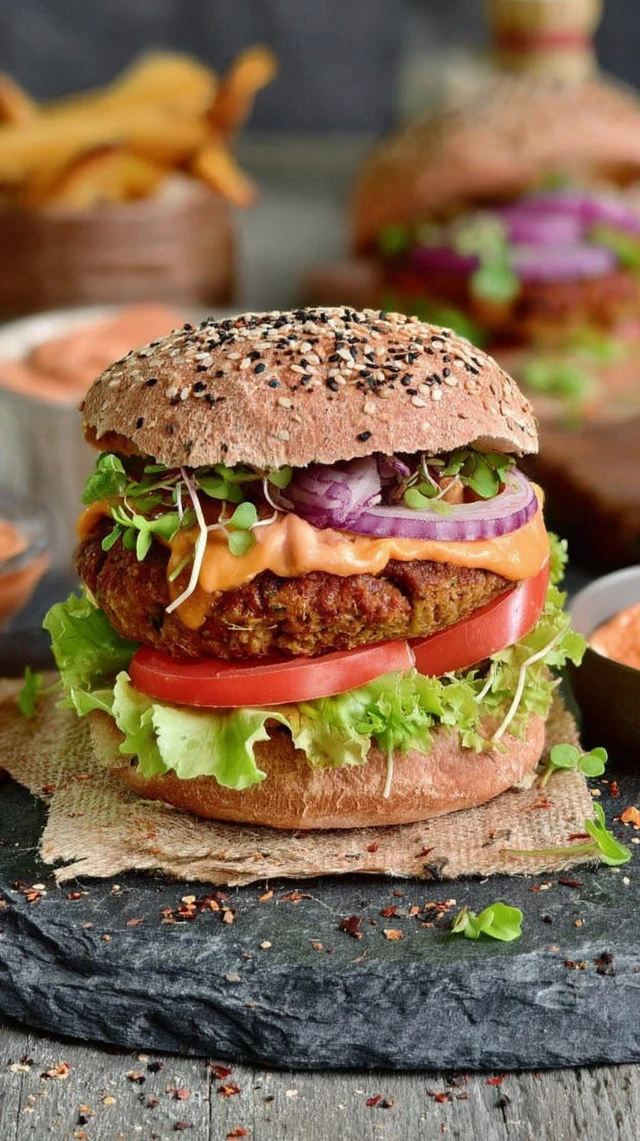
- Serve: Serve the hot vegan burger patties immediately on your favorite burger buns with desired toppings like lettuce, tomato, pickles, onion, and vegan mayo or ketchup. Enjoy!
Notes
What are these vegan burger patties made of?
The primary ingredient for these homemade vegan burger patties is TVP, which stands for Textured Vegetable Protein. This high-protein ingredient is made from soy flour and is responsible for the firm, meat-like texture. Other key ingredients include binders like breadcrumbs or vital wheat gluten and a blend of spices for a savory flavor.
How long does it take to make these TVP vegan burgers?
These vegan burger patties are quick and easy to prepare. From rehydrating the TVP to pan-searing the final patties, the entire process takes about 30 minutes. This makes them a practical option for a weeknight meal.
Can I freeze these homemade vegan burger patties?
Yes, these patties are freezer-friendly, which makes them great for meal prepping. You can freeze them either before or after cooking. For best results, store them in an airtight container or freezer bag for up to one month. Cook raw patties directly from frozen.
What is the texture of these vegan TVP burgers?
The texture of this TVP burger is designed to be very satisfying. It’s often described as being somewhere between a modern Impossible-style burger and an old-school bean burger. The goal was to create a patty that is firm and holds together perfectly, avoiding the mushiness that can sometimes affect homemade veggie burgers.
Final Thoughts
This recipe provides a dependable framework for creating an excellent vegan burger patty from scratch. By using TVP as the base and applying specific techniques for flavoring and binding, you can produce a plant-based burger with a texture and taste that will satisfy everyone. It is a versatile and economical solution for a delicious homemade meal.