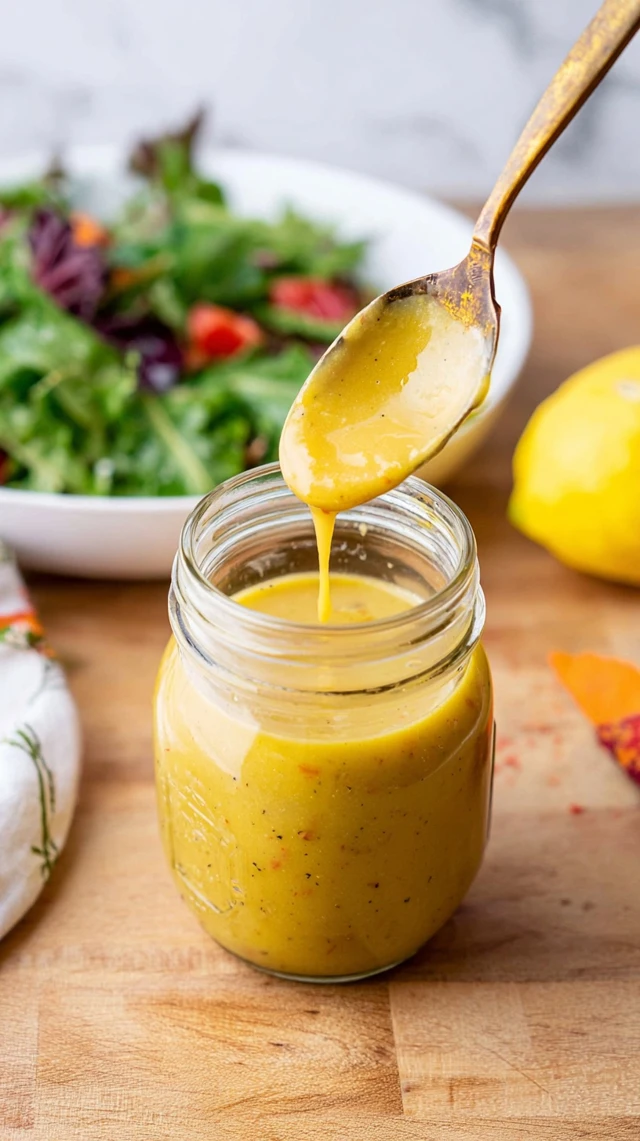
A properly constructed lemon vinaigrette is a fundamental component of a skilled home cook’s repertoire. It moves beyond a simple salad dressing, acting as a versatile agent that brings brightness and balance to a wide range of dishes. The objective is to create a stable emulsion where tartness, richness, and seasoning are in perfect harmony. This is not just a mixture of ingredients; it is a carefully balanced preparation.
The success of this vinaigrette hinges on using high-quality, fresh components. The difference between fresh-squeezed lemon juice and its bottled counterpart is substantial, affecting not only the flavor but also the chemical interactions within the dressing. Achieving a bright, zesty finish requires an understanding of how each ingredient functions. This guide provides the precise steps and scientific reasoning needed to produce a consistently superior lemon vinaigrette every time.
Understanding the Core Components of Lemon Vinaigrette
The foundation of an exceptional dressing rests on three primary ingredients: the acid, the oil, and the emulsifier. The quality and ratio of these elements determine the final texture and taste profile. Selecting the right ingredients is the first critical step in the process.
The Acid: Fresh Lemon Juice
The primary acidic element is fresh lemon juice. The citric acid provides the characteristic bright, sharp flavor. It is imperative to use juice from fresh lemons, as bottled varieties often contain preservatives that impart a muted, slightly metallic taste. Furthermore, the enzymatic activity in fresh juice contributes to a more complex flavor profile that bottled versions cannot replicate. For maximum yield, ensure lemons are at room temperature and roll them firmly on a countertop before juicing.
The Fat: Extra-Virgin Olive Oil
Extra-virgin olive oil provides the body, richness, and mouthfeel of the vinaigrette. Its flavor can range from peppery and robust to mild and buttery. For a classic lemon vinaigrette, a quality, moderately fruity extra-virgin olive oil is ideal, as it complements the lemon without overpowering it. The oil’s fat molecules are what the acid will be suspended in, creating the dressing’s body.
The Emulsifier: Dijon Mustard
Creating a stable dressing requires an emulsifier—a substance that helps bind the oil and lemon juice, which are naturally immiscible. Dijon mustard is a classic and highly effective choice. It contains mucilage in its seed coats, which absorbs both water-based (lemon juice) and oil-based liquids, holding them together in a suspension. A small amount is sufficient to create a creamy texture and prevent the dressing from separating too quickly. It also adds a layer of pungent, savory depth to the final product.
Mastering Emulsification and Flavor Balancing
Emulsification is the process of combining two liquids that do not normally mix, like oil and vinegar (or in this case, lemon juice). The technique and ratios used are critical for achieving the desired consistency. The standard ratio for a vinaigrette is often cited as 3 parts oil to 1 part acid, but for a lemon vinaigrette, adjustments are necessary for optimal results.
The Ideal Oil-to-Acid Ratio
The oil-to-acid ratio should be adapted based on the dressing’s intended use. For delicate, raw greens, a slightly less acidic ratio is preferable to avoid wilting the leaves. A proportion of 3 parts acid to 4 parts oil provides a perfectly balanced coating. However, when dressing heartier ingredients like roasted vegetables, cooked grains, or beans, a more robust 1:1 ratio is effective. This higher acidity cuts through the density of the food, delivering more flavor. Begin with a 1:1 ratio and add more oil incrementally to reach the desired consistency.
Methods for a Stable Emulsion
There are two primary methods for creating the emulsion. The simplest method involves combining all ingredients in a jar with a tight-fitting lid and shaking vigorously for 30-60 seconds. The force physically breaks the oil and juice into tiny droplets, allowing the emulsifier to suspend them. The second method, preferred for creating a slightly creamier and more stable dressing, is to whisk. Combine the lemon juice, mustard, garlic, and seasonings in a bowl. Then, while whisking constantly, slowly drizzle in the olive oil. This gradual introduction of fat allows for smaller oil droplets to form, resulting in a tighter, more uniform emulsion. Some find this technique perfect for creating quick appetizers and snacks.
Creative Uses for Your Homemade Lemon Dressing
Beyond simple green salads, this homemade lemon dressing is a remarkably versatile kitchen staple. Its bright acidity can lighten rich dishes, and its savory notes can add complexity to simple preparations. Thinking of it as a finishing sauce rather than just a dressing opens up numerous culinary possibilities.
Dressing Salads and Grain Bowls
This vinaigrette is a natural pairing for a wide variety of salads. It works beautifully with peppery arugula, crisp romaine, or tender butter lettuce. It is also an excellent choice for grain bowls. Tossing it with cooked quinoa, farro, or couscous while the grains are still slightly warm allows them to absorb the flavor more deeply. Add chopped vegetables, herbs, and a protein for a complete meal.
As a Marinade or Finishing Drizzle
The acidic nature of this homemade lemon dressing makes it a fantastic marinade for chicken, fish, and shrimp, helping to tenderize the protein while infusing it with flavor. It can also be drizzled over cooked meats and vegetables right before serving. It complements roasted asparagus, broccoli, and potatoes exceptionally well. The bright flavor profile is a great counterpoint to rich preparations, much like the sauce in this Instant Pot Tuscan Chicken.
Proper Storage for Your Lemon Vinaigrette
Proper storage is essential to maintain the freshness and safety of your homemade dressing. Since it contains fresh ingredients like garlic and lemon juice without commercial preservatives, it has a limited shelf life. Taking a few simple steps will ensure it stays delicious for as long as possible.
Airtight Containers and Refrigeration
Always store the lemon vinaigrette in an airtight container, such as a glass jar or bottle with a secure lid. This prevents other odors from the refrigerator from being absorbed and keeps the dressing fresh. It must be stored in the refrigerator and will keep for up to one week. The fresh garlic is the primary limiting factor for its shelf life.
Handling Separation and Solidification
It is natural for the olive oil in the vinaigrette to solidify or become cloudy when refrigerated. This is a sign of a high-quality, authentic olive oil and is not a cause for concern. To use the dressing, simply remove it from the refrigerator about 15-20 minutes before you plan to serve it. This allows the oil to return to its liquid state. Once liquefied, the dressing will have separated. Shake it vigorously for about 30 seconds to re-emulsify it before use. This is a much better approach than some other dressing preparations, which can be less stable over time. Many people make a big batch to use with various snacks throughout the week.
Homemade Lemon Vinaigrette Recipe
This recipe provides the exact measurements and method for a perfectly balanced and flavorful vinaigrette. Prepare to add a new staple to your cooking routine.
Easy Lemon Vinaigrette: Homemade Dressing Recipe
Ingredients
- ¼ cup fresh lemon juice from about 1-2 lemons
- ½ cup extra virgin olive oil
- 1 tsp Dijon mustard
- ½ tsp sea salt or to taste
- ¼ tsp black pepper freshly ground
- 1 clove garlic minced (optional)
- 1 tsp maple syrup or honey, optional for sweetness balance
Instructions
- In a small bowl, combine the fresh lemon juice, Dijon mustard, minced garlic (if using), sea salt, and freshly ground black pepper.
- Gradually whisk in the extra virgin olive oil until the dressing is well emulsified and creamy. Alternatively, combine all ingredients in a jar with a tight-fitting lid and shake vigorously until thoroughly combined.
- Taste the vinaigrette and adjust seasonings as needed. If you prefer a slightly sweeter dressing to balance the tartness of the lemon, add the optional maple syrup or honey and whisk again.
- Serve immediately over your favorite salads, roasted vegetables, or grilled proteins. Store any leftover vinaigrette in an airtight container in the refrigerator for up to 5-7 days. Whisk or shake again before serving as separation may occur.
Notes
Frequently Asked Questions
How long does lemon vinaigrette last in the fridge?
This lemon vinaigrette will keep in an airtight container or jar for up to 1 week in the refrigerator. The fresh ingredients, particularly the garlic, limit its shelf life, so it is best consumed within this timeframe for optimal flavor and safety.
What are the main ingredients needed for lemon vinaigrette?
The core ingredients required are fresh lemon juice, extra-virgin olive oil, minced garlic, and Dijon mustard. For seasoning, you will need salt and freshly ground black pepper. Optional additions for balancing or adding complexity include a small amount of honey or maple syrup for sweetness and fresh or dried thyme for an herbaceous note.
What are some ways to use lemon vinaigrette?
This dressing is extremely versatile. It is excellent for dressing green salads and tossing with cooked grains like quinoa or farro. It can also function as a marinade for beans or chickpeas to create a simple bean salad, or be drizzled over freshly roasted vegetables like asparagus, broccoli, or potatoes.
What is the recommended oil-to-acid ratio for lemon vinaigrette?
The ideal ratio depends on the application. For dressing delicate raw greens, a ratio of 3 parts acid to 4 parts oil is recommended. For heartier foods like roasted vegetables or dense grains, a stronger 1:1 ratio works well to ensure the flavor penetrates. It is best to start with a 1:1 ratio and add more oil as needed to achieve your preferred consistency.
Conclusion
Producing a high-quality lemon vinaigrette at home is a simple process that relies on precision and quality ingredients. By understanding the function of the acid, oil, and emulsifier, you can move beyond simply following a recipe to truly mastering the technique. This versatile dressing serves as a foundational element that can brighten and connect flavors in countless dishes, making it an indispensable tool for any dedicated cook.