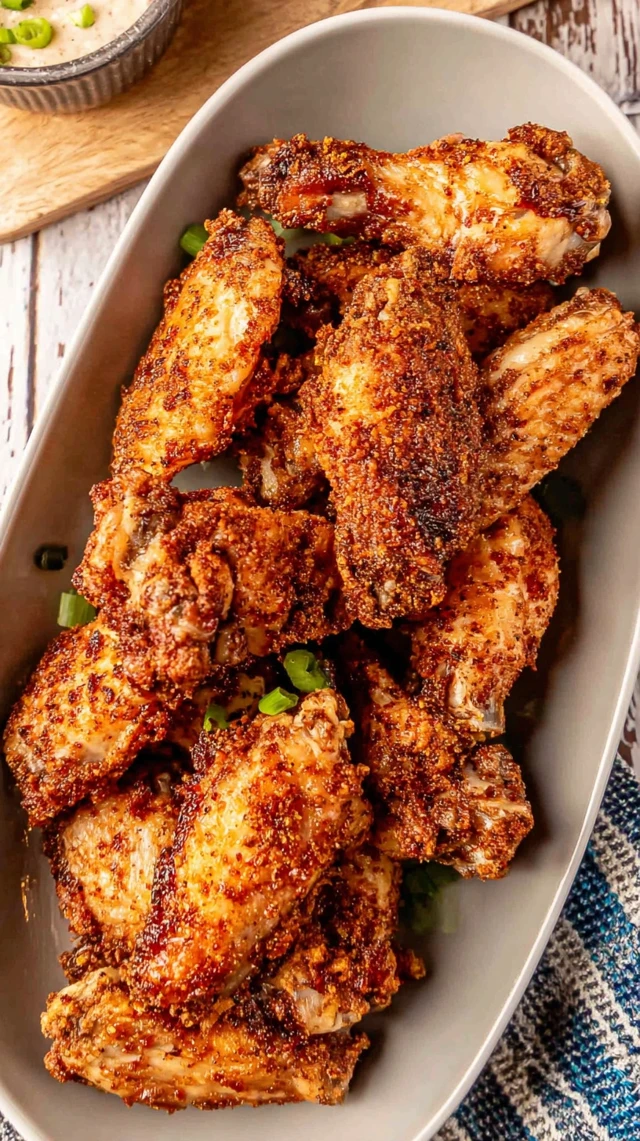
Achieving truly Crispy Baked Chicken Wings from a home oven is a matter of science, not luck. Many recipes fall short, delivering wings that are more soggy than satisfying. This method bypasses common pitfalls by focusing on two critical factors: moisture reduction and a pH-altering agent. The result is a deeply browned, audibly crunchy wing that rivals its deep-fried counterpart without the excess oil. This makes them a fantastic choice for gatherings and a standout among various appetizers and snacks.
The core principle is simple. To get a crispy exterior, you must first create a dry surface. We will walk through the exact steps needed to prepare the chicken skin, create the optimal dry rub, and configure your oven for success. Following this process consistently yields perfectly Crispy Baked Chicken Wings every time.
The Science Behind the Crispy Wing Method
The crispiness of a chicken wing is determined by how effectively you can render the fat and dehydrate the skin during the cooking process. Deep frying accomplishes this rapidly with hot oil, but we can replicate the effect in an oven with careful preparation. The most important step happens long before the wings enter the oven.
Moisture is the primary enemy of a crispy surface. Thoroughly patting the chicken wings dry with paper towels is a non-negotiable first step. Any water left on the skin will steam in the oven, preventing the skin from browning and crisping properly. Taking an extra five minutes for this step makes a significant difference in the final texture.
The Critical Role of Baking Powder
The true secret ingredient in this recipe for Crispy Baked Chicken Wings is aluminum-free baking powder. It is not used for leavening, but for its chemical properties. Baking powder is alkaline, which raises the pH level of the chicken skin. This pH shift acts as a catalyst, breaking down peptide bonds and accelerating the browning process, often referred to as the Maillard reaction.
Additionally, the cornstarch present in most baking powders assists in absorbing any residual moisture, creating an even drier surface for the oven’s heat to work on. It is vital to use aluminum-free baking powder to avoid any metallic aftertaste. Do not confuse it with baking soda, which is much stronger and will impart a soapy flavor.
Ingredient Preparation for Maximum Crunch
The quality of your ingredients and how you prepare them directly impacts the outcome. For the best Crispy Baked Chicken Wings, starting with the right components is key. Fresh, air-chilled chicken wings are preferable to those packed in solution, as they contain less added water.
If you purchase whole wings, you will need to separate them into drumettes and wingettes (flats). Locate the joint between the two sections, and use a sharp knife to cut firmly through it. The wing tip can be discarded or saved for making chicken stock. This separation creates more uniform pieces that cook evenly.
Creating the Perfect Dry Rub Coating
Once the wings are completely dry, it’s time to apply the coating. This dry rub is not just for flavor; it’s a functional part of the crisping process. In a large bowl, you will combine the baking powder with your seasonings.
A classic combination includes kosher salt, black pepper, garlic powder, and smoked paprika. The salt helps to draw out more moisture from the skin while the wings rest. The paprika adds color and a smoky flavor dimension. Toss the dry wings in this mixture until every piece is lightly but evenly coated. Avoid a thick, pasty coating; a fine, dusty layer is what you are aiming for.
Optimizing Your Oven for Oven Baked Chicken Wings
Your oven is the primary tool for creating these remarkable wings. Correct setup and temperature control are just as important as the ingredient preparation. You will need a wire rack set inside a foil-lined baking sheet. This setup is crucial for air circulation.
Baking the wings on a wire rack allows the hot air to circulate around the entire surface of each wing. This promotes even cooking and crisping on all sides, preventing the bottoms from becoming soggy by sitting in their own rendered fat. Lining the baking sheet with aluminum foil underneath the rack does not affect the cooking but makes cleanup significantly easier.
The Ideal Temperature and Convection
A two-temperature baking method produces the best results for Oven Baked Chicken Wings. Starting at a lower temperature allows the fat under the skin to render out slowly without burning the surface. Then, a final blast at a higher temperature is what creates that final, super-crispy finish.
For those with a convection setting, now is the time to use it. Convection ovens circulate hot air, which speeds up the cooking process and is exceptionally good at drying out surfaces like chicken skin. While this recipe is designed for a conventional oven, using convection during the final high-heat stage can make your wings even crispier. When planning other meals, you might find different cooking methods suit different dishes, like these convenient chicken burrito bowls that rely on a pressure cooker.
The Baking Process for Golden, Crispy Wings
With your wings prepped and your oven ready, the final stage is straightforward. Arrange the coated wings on the prepared wire rack, making sure to leave a little space between each one. Overcrowding the pan will trap steam and hinder the crisping process. It is better to use two baking sheets than to cram them all onto one.
Place the baking sheet in the preheated oven. The initial, lower-temperature phase is when the magic begins. During this time, the majority of the fat will render from the skin, dripping down onto the foil below. The skin will begin to tighten and dry out, preparing it for the final crisping stage. This is a key step that transforms them from standard Oven Baked Chicken Wings to something special.
Finishing and Serving
After the initial bake, you will increase the oven temperature to 425°F. This high heat will rapidly brown and crisp the now-rendered and dry skin. Keep a close watch on them during this phase, as they can go from perfectly golden to overly dark in just a few minutes.
Once the wings are deeply golden brown and crispy to the touch, remove them from the oven. Let them rest on the rack for a few minutes. This allows the surface to firm up even more. At this point, you can serve them as they are, with their delicious savory rub, or toss them in your favorite wing sauce. Tossing hot, crispy wings in sauce should be done right before serving to maintain as much crunch as possible.
Your Path to Perfect Baked Wings
Now you have the complete method for creating genuinely crispy wings in your own oven. Follow the steps precisely for a rewarding and delicious outcome.
Crispy Baked Chicken Wings: Easy & Healthier Recipe
Ingredients
- 2 lbs chicken wings flats and drumettes, patted very dry
- 1 tbsp baking powder aluminum-free is best to avoid metallic taste
- 1 tsp salt
- 0.5 tsp black pepper
- 1 tsp garlic powder
- 0.5 tsp onion powder
- 1 tsp paprika smoked or sweet
- 1 tbsp olive oil
Instructions
- Preheat your oven to 425°F (220°C). Line a large baking sheet with aluminum foil for easier cleanup, then place a wire rack on top of the foil-lined sheet. Lightly spray the wire rack with cooking spray to prevent sticking.
- This step is crucial for crispy wings: pat the chicken wings *extremely* dry with paper towels. The drier they are, the crispier they’ll get. Place the dried wings into a large mixing bowl.
- In a small separate bowl, whisk together the baking powder, salt, black pepper, garlic powder, onion powder, and paprika until well combined.
- Drizzle the olive oil over the dried wings in the large mixing bowl and toss thoroughly to ensure every wing is lightly coated. Then, sprinkle the baking powder spice mixture evenly over the wings. Toss again until each wing is uniformly coated with the seasoning blend.
- Arrange the seasoned chicken wings in a single layer on the prepared wire rack, making sure there is space between each wing. Do not overcrowd the baking sheet, as this will steam the wings instead of crisping them. Use two baking sheets if necessary.
- Bake for 20 minutes, then carefully flip each wing using tongs. Continue baking for an additional 25-30 minutes, or until the wings are golden brown and perfectly crispy. For an even crispier finish, you can increase the oven temperature to 450°F (230°C) for the last 5-10 minutes, keeping a close eye on them to prevent burning.
- Once baked to your desired crispiness, remove the wings from the oven. Let them rest on the wire rack for 5 minutes before serving. This allows the skin to firm up further. Serve hot with your favorite dipping sauce, like ranch, blue cheese, or buffalo sauce.
Notes
Frequently Asked Questions About Crispy Baked Chicken Wings
How do you make chicken wings crispy in the oven?
To make chicken wings crispy in the oven, the most important steps are to pat them completely dry with paper towels and then toss them in a mixture containing aluminum-free baking powder and seasonings. The baking powder changes the skin’s pH, which aids in browning and crisping during the baking process.
What is the ideal oven temperature for crispy baked wings?
The ideal oven temperature for crispy baked chicken wings is 425°F. It is often best to bake them at a lower temperature first to render the fat, and then increase the heat to 425°F for the final 15-20 minutes to achieve a perfectly crispy, golden-brown skin.
What ingredients are needed for crispy baked chicken wings?
For the basic recipe, you will need chicken wings, aluminum-free baking powder, kosher salt, black pepper, garlic powder, and paprika for the dry rub. The baking powder is the key ingredient for achieving a crispy texture without frying.
Are baked chicken wings healthier than fried?
Yes, baked chicken wings are a healthier option compared to deep-fried wings. The baking process requires no added oil for cooking, which significantly reduces the overall fat and calorie content of the final dish compared to wings submerged and cooked in hot oil.
Conclusion
The pursuit of perfectly Crispy Baked Chicken Wings ends here. By focusing on the fundamentals of moisture removal with thorough drying and the chemical advantage of baking powder, you can consistently produce wings with an impressively crunchy exterior and juicy interior. This method proves that you do not need a deep fryer to enjoy a classic game day snack.
This technique for Oven Baked Chicken Wings is not just a recipe but a reliable process. By understanding the science behind why it works, you are equipped to achieve delicious results every single time, making soggy, disappointing baked wings a thing of the past.