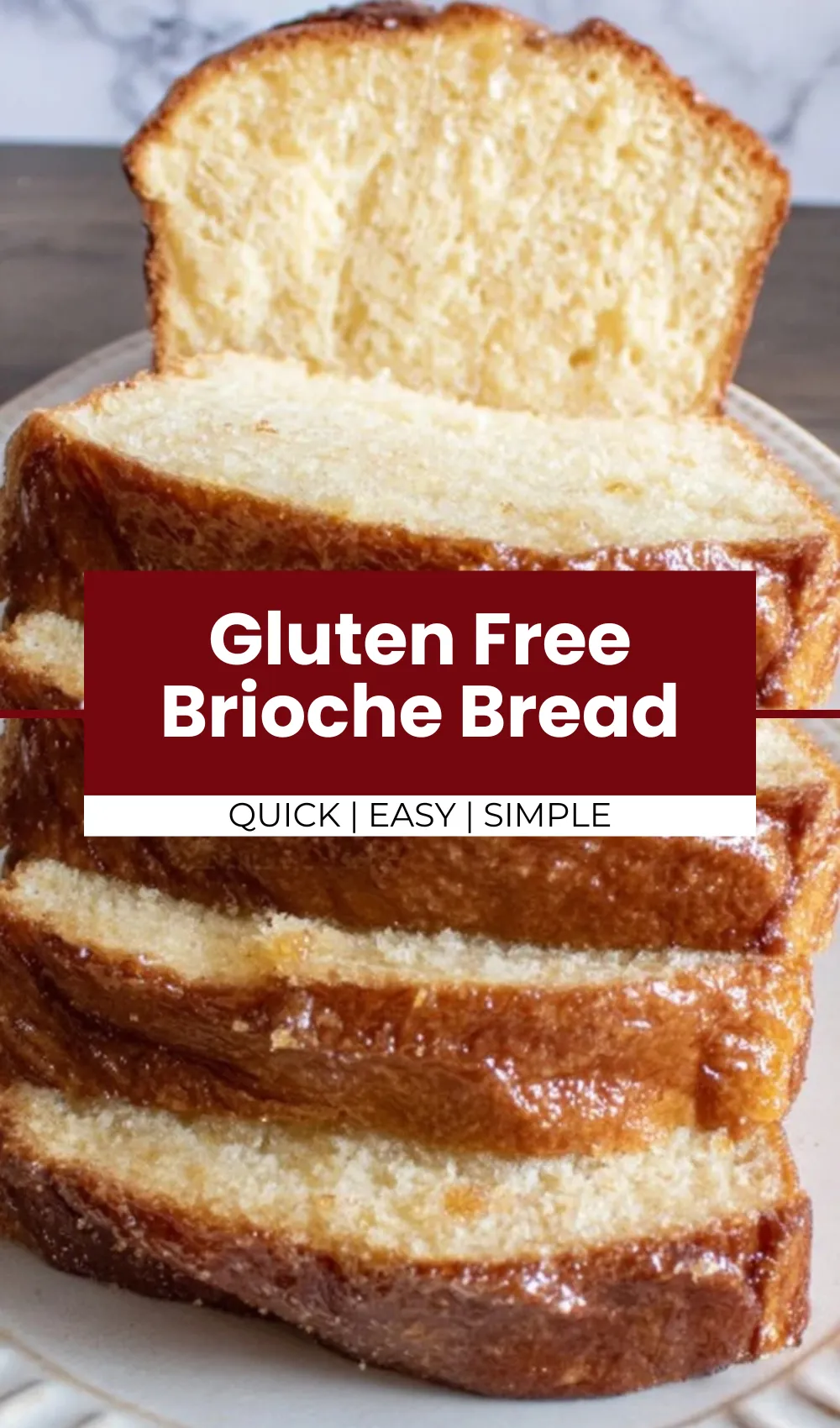
Baking a successful Gluten Free Brioche Bread requires precision and an understanding of how the ingredients function without the structure of wheat protein. This bread is defined by its rich, tender crumb and golden crust, qualities derived from a high concentration of eggs and butter. Unlike standard breads, brioche is a pastry-like loaf that straddles the line between a simple bread and a decadent cake.
The goal is to replicate that signature softness and rich flavor. Achieving this result in a gluten-free context depends on a carefully balanced flour blend, proper dough hydration, and controlled fermentation. The process is straightforward but demands attention to detail. This particular Gluten Free Brioche Bread is perfect for creating luxurious French toast or serving alongside savory dinner recipes.
The Foundational Science of Gluten Free Brioche Dough
The composition of a brioche dough is what sets it apart. In traditional baking, gluten provides the elastic framework that traps gas from the yeast, allowing the dough to rise. Without gluten, we must rely on a combination of starches, gums, and proteins to create a similar structure and texture.
The Critical Role of Fat and Eggs
Butter and eggs are the primary components that give brioche its identity. The fat from the butter coats the starch particles, which shortens the starch chains and results in a supremely tender, cake-like crumb. This process is known as shortening. It’s essential that the butter is at room temperature so it can be incorporated evenly into the dough, creating a smooth emulsion rather than greasy pockets.
Eggs contribute moisture, fat (from the yolks), and protein (from the whites). The proteins provide some of the structure lost without gluten, helping the loaf hold its shape during baking. The yolks add to the richness and give the final loaf its characteristic yellow hue. This high fat and egg content is what makes Gluten Free Brioche Bread so satisfying.
Choosing Your Gluten-Free Flour Blend
A multi-component flour blend is non-negotiable for this recipe. A single gluten-free flour will not provide the necessary balance of structure, softness, and flavor. A successful blend for a Gluten Free Brioche Bread typically contains a mix of light starches like tapioca or cornstarch for a soft crumb, and more robust flours like brown rice or sorghum flour for structure and a more complex taste. Psyllium husk or xanthan gum is also critical; it acts as a binder and provides the viscosity and elasticity that gluten normally would, trapping air and giving the bread its airy quality.
Essential Techniques for Perfect Texture
The method of mixing and handling gluten-free dough is fundamentally different from working with wheat-based dough. There is no need for extensive kneading to develop gluten. Instead, the focus is on thoroughly hydrating the flours and activating the binding agents.
Achieving the Correct Dough Consistency
The initial dough for this gluten-free brioche will appear more like a thick cake batter or a soft cookie dough than a traditional bread dough. It should be sticky and wet. This high moisture content is vital for fully hydrating the gluten-free flours and starches, which prevents a dry, crumbly result. Resisting the urge to add more flour is key. The dough will become more manageable after its initial chill in the refrigerator, as the fats solidify and the flours absorb the liquid.
The Importance of Room Temperature Ingredients
Using room temperature ingredients—specifically eggs, milk, and butter—is a mandate, not a suggestion. Cold ingredients will cause the butter to seize up into hard clumps when mixed, preventing the formation of a smooth, homogenous emulsion. This leads to a greasy bread with an uneven texture. Allowing eggs and milk to sit on the counter for about 30-60 minutes before you begin is a small step that has a significant impact on the final quality of your loaf.
The Gluten-Free Brioche Recipe Proofing Process
Proofing, or allowing the yeast to ferment and the dough to rise, is a two-stage process for this Gluten-Free Brioche Recipe. Patience during these stages is rewarded with a light, airy crumb. Rushing the process will result in a dense, heavy loaf.
The First Rise (Bulk Fermentation)
After mixing, the dough undergoes its first rise. This can be done at room temperature or in the refrigerator. A cold fermentation (in the fridge for several hours or overnight) is highly recommended. It not only develops a more complex flavor but also firms up the dough considerably, making it much easier to handle and shape. The sticky, batter-like dough becomes a pliable mass that can be easily transferred to a loaf pan. For those seeking other interesting culinary projects, you can review ideas like the Road Rage Casserole for a completely different kind of kitchen adventure.
The Second Rise (In the Pan)
Once the dough is shaped and placed in the prepared loaf pan, it needs a second rise in a warm, draft-free spot. This final proof is where the yeast gives the loaf its last push of volume before baking. The dough should rise until it is visibly puffy and has crested just over the rim of the pan. This can take anywhere from 30 minutes to 2 hours, depending on the temperature of your kitchen. The visual cue is more important than the clock.
Baking and Finishing Your Brioche Loaf
The final steps of baking and cooling are just as important as the preparation. The correct oven temperature and cooling method will secure the perfect golden crust and tender interior you have worked to create. This bread makes a fantastic base for bread pudding or as a side for many dinner recipes.
Preparing for the Oven
Just before baking, a gentle brush of egg wash (one egg beaten with a splash of milk or water) is applied to the surface of the loaf. This step is what creates the beautiful, shiny, deep golden-brown crust that is characteristic of classic brioche. It also helps to seal in moisture during the bake. Be gentle when applying the wash to avoid deflating the delicate, fully proofed dough. A light sprinkle of pearl sugar at this stage can add a delightful crunch and professional finish.
Cooling and Slicing
This is arguably the most difficult step because it requires patience. After removing the bread from the oven, let it cool in the pan for about 10-15 minutes before turning it out onto a wire rack. It is absolutely essential that you let the Gluten Free Brioche Bread cool completely before slicing. Gluten-free structures are delicate when warm and need time for the starches to set. Slicing into a warm loaf will cause it to compress and become gummy. A fully cooled loaf will slice cleanly, revealing the soft and airy crumb inside.
Complete Gluten-Free Brioche Bread Recipe
This recipe provides all the precise steps to create a rich, tender, and bakery-quality gluten-free brioche loaf at home.
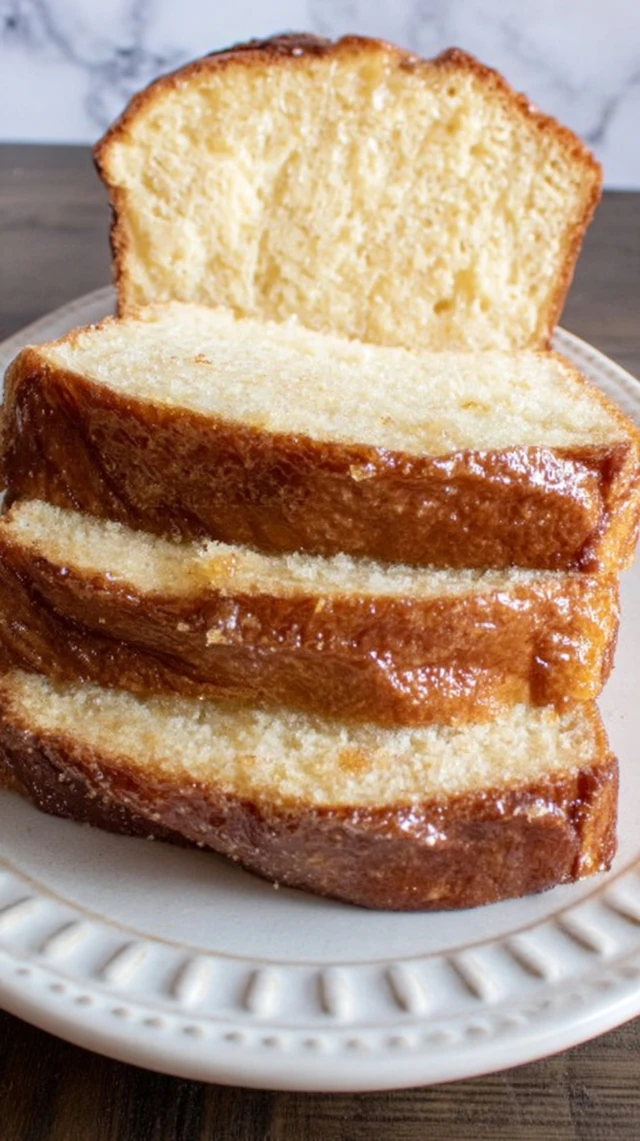
Best Gluten-Free Brioche Bread Recipe
Ingredients
- 400 g Gluten-Free All-Purpose Flour Blend with xanthan gum, or add 1 tsp if blend doesn’t contain it
- 50 g Granulated Sugar
- 7 g Instant Yeast (about 2 1/4 tsp or 1 packet)
- 5 g Salt (about 1 tsp)
- 120 ml Warm Milk dairy or unsweetened non-dairy, 105-115°F (40-46°C)
- 3 Large Eggs room temperature, plus 1 egg yolk for egg wash
- 115 g Unsalted Butter melted and cooled slightly, plus more for greasing pan
- 1 tsp Vanilla Extract optional, for flavor
- 1 tbsp Milk for egg wash
Instructions
- In the bowl of a stand mixer, combine the gluten-free flour blend, granulated sugar, instant yeast, and salt. Whisk briefly to combine thoroughly. If your GF flour blend does not contain xanthan gum, add 1 teaspoon now.
- In a separate bowl, whisk together the warm milk, 3 large eggs, and vanilla extract (if using). Ensure the milk is warm but not hot, to activate the yeast without killing it.
- Pour the wet ingredients into the dry ingredients in the stand mixer bowl. Attach the paddle attachment and mix on low speed until just combined, then increase to medium-low and mix for 2-3 minutes until a thick, sticky dough forms. The dough will not resemble traditional wheat dough.
- Gradually add the cooled melted butter, about 1 tablespoon at a time, mixing well after each addition until fully incorporated. Continue mixing on medium speed for another 5-7 minutes until the dough is smooth, elastic, and glossy. It will still be soft and sticky.
- Lightly grease a large bowl with butter or cooking spray. Transfer the dough to the greased bowl, turning once to coat. Cover the bowl tightly with plastic wrap or a clean kitchen towel. Let the dough rise in a warm place for 1.5 to 2 hours, or until it has visibly expanded and is puffy. It may not double in size like wheat dough.
- Gently deflate the dough by pressing it down. Turn the dough out onto a lightly floured (with GF flour) surface. Divide the dough into 3 equal portions. Shape each portion into a smooth ball or a small log. Arrange the three pieces side-by-side in a generously buttered 9×5 inch loaf pan.
- Cover the loaf pan loosely with plastic wrap or a kitchen towel and let it rise again in a warm place for 45-60 minutes, or until the dough has noticeably puffed up and fills the pan. Preheat your oven to 375°F (190°C) during the last 15-20 minutes of the second rise.
- While the oven preheats, prepare the egg wash: whisk together the remaining egg yolk and 1 tablespoon of milk in a small bowl. Gently brush the top of the risen brioche dough with the egg wash, being careful not to deflate it.
- Bake for 35-40 minutes, or until the top is golden brown and a thermometer inserted into the center reads 200-205°F (93-96°C). If the top browns too quickly, loosely tent it with aluminum foil.
- Remove the brioche from the oven and let it cool in the pan for 10-15 minutes before carefully transferring it to a wire rack to cool completely. Slicing too early can result in a gummy texture. Serve warm or at room temperature.
Notes
- Ensure all cold ingredients (eggs, milk) are at room temperature for optimal yeast activity and dough development.
- Using a kitchen scale for flour is highly recommended for accurate gluten-free baking.
- Gluten-free doughs are stickier and more delicate than traditional wheat doughs. Don’t be tempted to add too much extra flour.
- The rise times for gluten-free brioche can vary and may not result in the same dramatic doubling in size as wheat brioche. Look for significant puffiness.
- For a dairy-free version, substitute with unsweetened non-dairy milk and a high-quality vegan butter alternative.
Frequently Asked Questions
Q: Can I make gluten-free brioche bread without eggs?
A: No, this brioche recipe is not egg-free-friendly; a separate vegan-style recipe developed specifically for egg-free baking would be required.
Q: What’s the secret to a good rise for gluten-free brioche?
A: Patience is crucial. While enriched doughs rise quickly in warm conditions, it can take up to 2 hours in cool weather. Avoid using a low oven as it may kill the yeast.
Q: Can I make gluten-free brioche dairy-free?
A: Yes, you can substitute the butter with vegan butter (like Melt or Miyoko’s Kitchen) and use an unsweetened, unflavored nondairy milk in place of regular milk.
Q: What kind of yeast should I use for gluten-free brioche bread?
A: This recipe uses instant yeast (also known as rapid-rise or breadmaker yeast). If you use active dry yeast, you’ll need to increase the amount by 25% and dissolve it in warm milk before adding it to the other ingredients.
Final Thoughts on Your Brioche
Baking a Gluten Free Brioche Bread is a rewarding process that relies on a specific set of techniques and ingredient knowledge. By understanding the role of each component—from the fat in the butter to the binding power of xanthan gum—you can consistently produce a loaf that is soft, rich, and flavorful. Adhering to the prescribed chilling and proofing times is essential for achieving the light texture and easy-to-handle dough that defines a superior brioche. Whether enjoyed on its own, toasted, or as part of other dinner recipes, this bread is a testament to the delicious possibilities of gluten-free baking.