The classic pound cake stands as a testament to the idea that simple ingredients can produce extraordinary results. This pound cake recipe is built on a foundation of butter, sugar, eggs, and flour, creating a dense, rich crumb with a distinctly buttery flavor. Its characteristic fine texture and golden-brown crust make it a timeless favorite.
Unlike lighter, airier cakes, the appeal of a pound cake is its satisfying weight and moisture. The key to a successful outcome lies not in a long list of complex ingredients, but in the precision of the method. Understanding how each component interacts is the first step toward baking a perfect loaf every time.
This guide focuses on the technical aspects of the process, from ingredient selection to the final cooling stage. Following this pound cake recipe will give you a dependable and delicious result that works as a simple dessert or a base for fresh fruit and cream.
The Foundational Ingredients for this Pound Cake Recipe
The original pound cake was so named because it called for a pound of each of its main ingredients. While modern recipes have adjusted these ratios for a better texture, the core components remain the same. The quality of these items directly influences the final product.
Butter and Sugar: The Creaming Foundation
Unsalted, high-fat butter is essential. Butter provides the primary flavor and richness. When creamed with sugar, it creates tiny air pockets that act as the cake’s primary leavening system. The temperature of the butter is critical; it must be at room temperature—soft enough to whip but not melted or greasy.
Granulated white sugar provides sweetness and also contributes to the cake’s structure and crust. During the creaming process, the sharp edges of the sugar crystals cut into the butter, incorporating air. This aeration is fundamental to the cake’s texture. Sugar is also hygroscopic, meaning it attracts and holds onto moisture, which helps keep the cake from drying out.
Eggs and Flour: Structure and Tenderness
Large eggs should also be at room temperature to allow them to emulsify properly with the butter-sugar mixture. Eggs add protein for structure, fat from the yolks for richness and tenderness, and liquid for moisture. Adding them one at a time prevents the batter from breaking or becoming curdled.
All-purpose flour is the standard for a classic pound cake recipe. Its moderate protein content provides enough structure to hold the cake together without making it tough. Sifting the flour before adding it to the batter is a non-negotiable step. Sifting aerates the flour, removes lumps, and makes it easier to incorporate into the wet ingredients without overmixing. Overmixing develops gluten, which results in a tough, chewy cake rather than a tender one.
Precision in Preparation for a Flawless Cake
The success of a pound cake is determined long before it enters the oven. Correctly preparing your ingredients and mixing the batter sets the stage for a perfect bake. Every step has a scientific reason behind it, and skipping them can compromise the final texture.
The Importance of Room Temperature Ingredients
Bringing butter, eggs, and dairy to room temperature (around 68-70°F) is arguably the most important preparation step. When these ingredients are at a similar, moderate temperature, they form a stable emulsion. A stable emulsion traps the air introduced during creaming, leading to a uniform, fine crumb. Cold ingredients will cause the butter to harden and seize, resulting in a curdled-looking batter and a dense, heavy cake.
The Creaming Method and Aeration
The creaming method is the process of beating room-temperature butter and sugar together until the mixture is light and fluffy. This can take several minutes with an electric mixer. The goal is to incorporate a significant amount of air, which will expand in the oven and give the cake its lift. Properly creamed butter and sugar will appear pale yellow and will have visibly increased in volume.
It is crucial, however, not to over-cream. Beating the mixture for too long can incorporate too much air, leading to a fragile structure that collapses upon baking. This often manifests as a dense, gummy streak at the bottom of the cake.
Incorporating Wet and Dry Ingredients
After the creaming stage, eggs are added one by one, beating well after each addition to maintain the emulsion. Once the eggs are fully incorporated, the dry ingredients (flour, salt, baking powder) and liquid ingredients (sour cream, vanilla) are added. This should be done in alternating additions, beginning and ending with the dry ingredients. This method, common in many international baking traditions, helps prevent the over-development of gluten by giving the flour time to absorb moisture gradually.
Achieving a Perfectly Moist Pound Cake
A dry, crumbly pound cake is a common baking disappointment. The goal is a rich, dense crumb that is still exceptionally tender and moist. This requires attention to specific ingredients and careful monitoring during the baking process.
The Critical Role of Full-Fat Dairy
While classic recipes rely solely on butter and eggs for fat, this modern pound cake recipe includes full-fat sour cream. This ingredient is a powerful tool for creating a moist pound cake. The acid in sour cream reacts with the baking powder for extra lift, but more importantly, it tenderizes the gluten in the flour. This action results in a much softer, finer crumb. The high fat content of the sour cream also adds significant moisture and richness that butter alone cannot provide.
Preventing a Dry Crumb Through Proper Baking
Overbaking is the primary cause of a dry cake. Pound cakes bake at a relatively moderate temperature for a long time, so it’s important to monitor them closely toward the end of the baking window. The cake is done when a wooden skewer inserted into the center comes out clean or with a few moist crumbs attached. While a good crust is a hallmark of this cake, you do not want to sacrifice the interior moisture. The sugar and butter create this naturally, so don’t be tempted to over-bake just for a darker crust. This principle of balancing crust and interior is important in many baked goods, including when you’re trying to get a perfectly cooked pizza base.
Baking and Cooling for Optimal Texture
The final stages of baking and cooling are just as critical as the mixing. How you bake and cool your pound cake will determine its final shape, crust texture, and internal structure. The wrong pan or an improper cooling method can undo all your careful preparation.
Pan Selection and Preparation
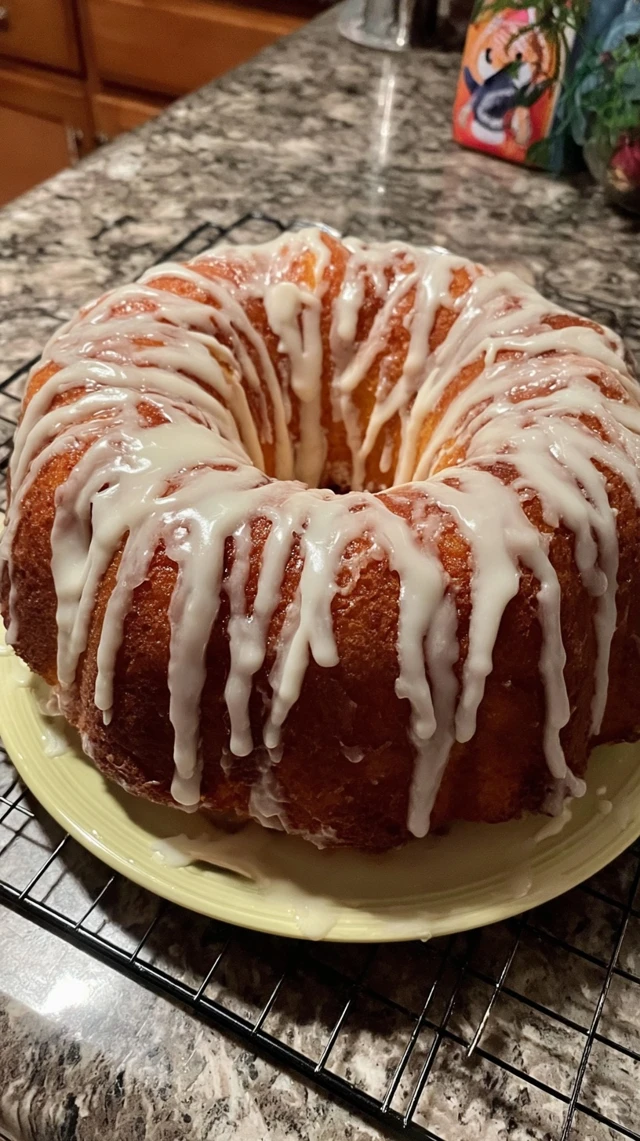
A high-quality, heavy-gauge metal Bundt or loaf pan is the best choice for a pound cake. These pans distribute heat evenly, which is crucial for a cake that needs to bake for over an hour. A dark-colored pan will absorb more heat and can lead to over-browning, so a light-colored metal pan is preferred.
Thorough pan preparation is vital to a clean release. Generously grease the entire interior of the pan with softened butter or baking spray, paying close attention to all the crevices of a Bundt pan. Afterward, dust the pan with flour, tilting and tapping it to coat all surfaces completely. Tap out any excess flour. This creates a non-stick barrier that helps the cake release cleanly after baking.
The Two-Stage Cooling Process
Once the cake is removed from the oven, it must not be inverted immediately. The structure is still fragile and needs time to set. Allow the cake to cool in the pan on a wire rack for exactly 10 minutes. This short period allows the cake to firm up slightly so it doesn’t break apart.
After 10 minutes, carefully invert the pan onto the wire rack to release the cake. Then, let the cake cool completely on the rack before slicing. Cooling on a wire rack allows air to circulate around the entire cake, preventing the bottom from becoming soggy and helping the exterior crust to become crisp and firm.
Classic Pound Cake Recipe
Here you will find the complete instructions for creating a rich, buttery, and exceptionally moist pound cake. Follow the steps precisely for a flawless result.
Easy Classic Pound Cake Recipe | Rich & Buttery
Ingredients
- 1 cup unsalted butter 2 sticks, softened to room temperature
- 2 cups granulated sugar
- 4 large eggs at room temperature
- 3 cups all-purpose flour
- 1 tsp baking powder
- ½ tsp salt
- 1 cup whole milk at room temperature
- 2 tsp vanilla extract
Instructions
- Preheat your oven to 325°F (160°C). Grease and flour a 10-cup Bundt pan or a 9×5 inch loaf pan, ensuring all crevices are coated. Tap out any excess flour.
- In a large mixing bowl, using an electric mixer, cream together the softened unsalted butter and granulated sugar on medium-high speed for 5-7 minutes, until the mixture is light, fluffy, and pale in color. Scrape down the sides of the bowl as needed.
- Add the large eggs one at a time, beating well after each addition until fully incorporated. Continue to scrape the bowl to ensure everything is evenly mixed.
- In a separate medium bowl, whisk together the all-purpose flour, baking powder, and salt until well combined.
- With the mixer on low speed, gradually add the dry ingredients to the wet ingredients, alternating with the whole milk. Begin and end with the dry ingredients. Mix just until combined and no streaks of flour remain; be careful not to overmix, as this can result in a tough cake. Stir in the vanilla extract.
- Pour the batter evenly into your prepared pan. Use a rubber spatula to smooth the top of the batter.
- Bake for 60-75 minutes, or until a wooden skewer or toothpick inserted into the center of the cake comes out clean. Baking time can vary depending on your oven and the type of pan used.
- Let the pound cake cool in the pan on a wire rack for 10-15 minutes. Then, carefully invert the cake onto the wire rack to cool completely before slicing and serving.
Notes
What is the secret to a moist cake?
The secret ingredient for a moist pound cake is full-fat sour cream, which adds both fat and acidity to tenderize the crumb. It is also critical to avoid overbaking the cake, as this will dry it out. Remove it from the oven as soon as a skewer test indicates it is done.
How do I get a crisp crust on my pound cake?
The high sugar and butter content in the batter naturally creates a crisp, golden-brown crust during baking. To ensure the crust stays crisp, it is important to remove the cake from the pan after it has rested for about 10 minutes. Allowing it to cool completely on a wire rack prevents steam from softening the exterior.
Why is there a gummy streak in my pound cake?
A dense, gummy layer at the bottom of a pound cake, sometimes called a “sad streak,” is typically caused by improper mixing. The most common reason is over-creaming the butter and sugar, which incorporates too much air and creates a weak structure that collapses. It can also be caused by under-baking.
How do I know when my cake is done baking?
The most reliable way to check for doneness is to insert a long wooden skewer or cake tester into the thickest part of the cake. The cake is done baking if the skewer comes out completely clean or with just a few dry crumbs attached to it. If you see wet batter, the cake needs more time in the oven.
A Timeless Baking Staple
This pound cake recipe relies on technique over elaborate ingredients. By understanding the function of each component and the importance of each step—from using room temperature ingredients to the two-stage cooling process—you can consistently produce a superior cake.
The resulting dessert is dense yet tender, with a rich buttery flavor and a delightful crust. It is a perfect example of how precision in the kitchen leads to delicious, dependable outcomes. Serve it plain, with a dusting of powdered sugar, or as a base for fresh berries and cream.