The pursuit of a genuinely creamy, dairy-free pasta sauce often leads to compromises in texture or flavor. Many plant-based options rely on nuts, which can be heavy, or starches, which can feel gummy. This silken tofu pasta sauce provides a superior solution by using the unique properties of a single, powerful ingredient.
The magic lies in the structural composition of silken tofu. Its high water content and minimal protein curds allow it to break down into a completely smooth, fluid emulsion when blended. This creates a sauce with a luxurious mouthfeel that convincingly mimics heavy cream, without the associated fat or dairy.
What results is a versatile, protein-rich base that readily accepts flavor. It becomes a perfect blank canvas for building a rich and savory pasta coating. This method offers a simple path to sophisticated and satisfying pasta dishes.
The Foundation: Understanding Ingredients for a Silken Tofu Pasta Sauce
The success of this sauce is rooted in ingredient selection and understanding how each component functions. Unlike other cooking methods where ingredient quality can be masked, the simplicity of this sauce means every choice matters. The primary goal is to build layers of flavor on top of the neutral, creamy base provided by the tofu.
Choosing the Correct Tofu
The single most critical decision is the type of tofu. You must use silken tofu, which is sometimes labeled as soft silken tofu. This variety is produced differently from the firm, block-style tofu used for frying or baking. Silken tofu is unpressed, meaning the soy milk coagulates in its final container without the water being expelled. This process yields a delicate, custard-like consistency that is essential for a smooth sauce.
Firm or extra-firm tofu will not work for this application. These types have a much lower water content and a dense, curd-like texture. Even with a high-powered blender, they will produce a grainy, gritty result, not the velvety texture we are aiming for. The sauce’s integrity depends entirely on the high moisture and delicate structure of the silken variety.
Building Savory Depth
With a neutral base established, the next objective is to introduce the savory, cheesy notes characteristic of a traditional cream sauce. Nutritional yeast is the primary agent for this task. It is a deactivated yeast that possesses a strong nutty and cheesy flavor profile due to its concentration of glutamates, which are responsible for creating the taste of umami. A generous amount is not optional; it is fundamental to the sauce’s success.
Garlic and onion powder contribute an aromatic foundation, providing a savory backbone that supports the other flavors. Using powders instead of fresh garlic or onion is a deliberate choice here. Powders integrate seamlessly into the emulsion without introducing textural inconsistencies or the harshness that raw alliums can sometimes impart. For a deeper flavor, you could lightly sauté fresh garlic in olive oil before adding it to the blender.
Technique for a Flawless Cream Sauce
Achieving the perfect texture for this silken tofu pasta sauce requires more than just the right ingredients; it demands a specific technique. The blending process is where the transformation from individual components to a cohesive, creamy sauce occurs. Proper execution is key to avoiding a common pitfall: a sauce that is thin or, worse, not perfectly smooth.
Start by adding all the ingredients to a high-speed blender. The order is important: place the silken tofu in the blender first, followed by the liquids like lemon juice and soy sauce, and finally the dry ingredients like nutritional yeast and spices. This layering helps the blender blades catch the solid ingredients more effectively and begin the blending process efficiently. A high-speed blender is strongly recommended for its ability to create a powerful vortex that pulverizes every component into a homogenous mixture.
The Art of Blending and Seasoning
Begin blending on a low speed and gradually increase to high. Let the mixture blend for a full 60 to 90 seconds. This extended time is not just about combining; it’s about emulsifying. The force of the blades breaks down the tofu’s structure on a microscopic level, creating an exceptionally fine and stable suspension. You will visually see the mixture change from a lumpy liquid to a thick, glossy, and uniform sauce. After blending, taste the sauce directly from the blender. This is the moment to adjust. Does it need more saltiness? Add another splash of soy sauce. Is it not cheesy enough? Add another tablespoon of nutritional yeast. Does it need a bit more brightness? A small amount of extra lemon juice can make a significant difference. Blend for another 10 seconds after any addition.
Creating a Plant-Based Alfredo Experience
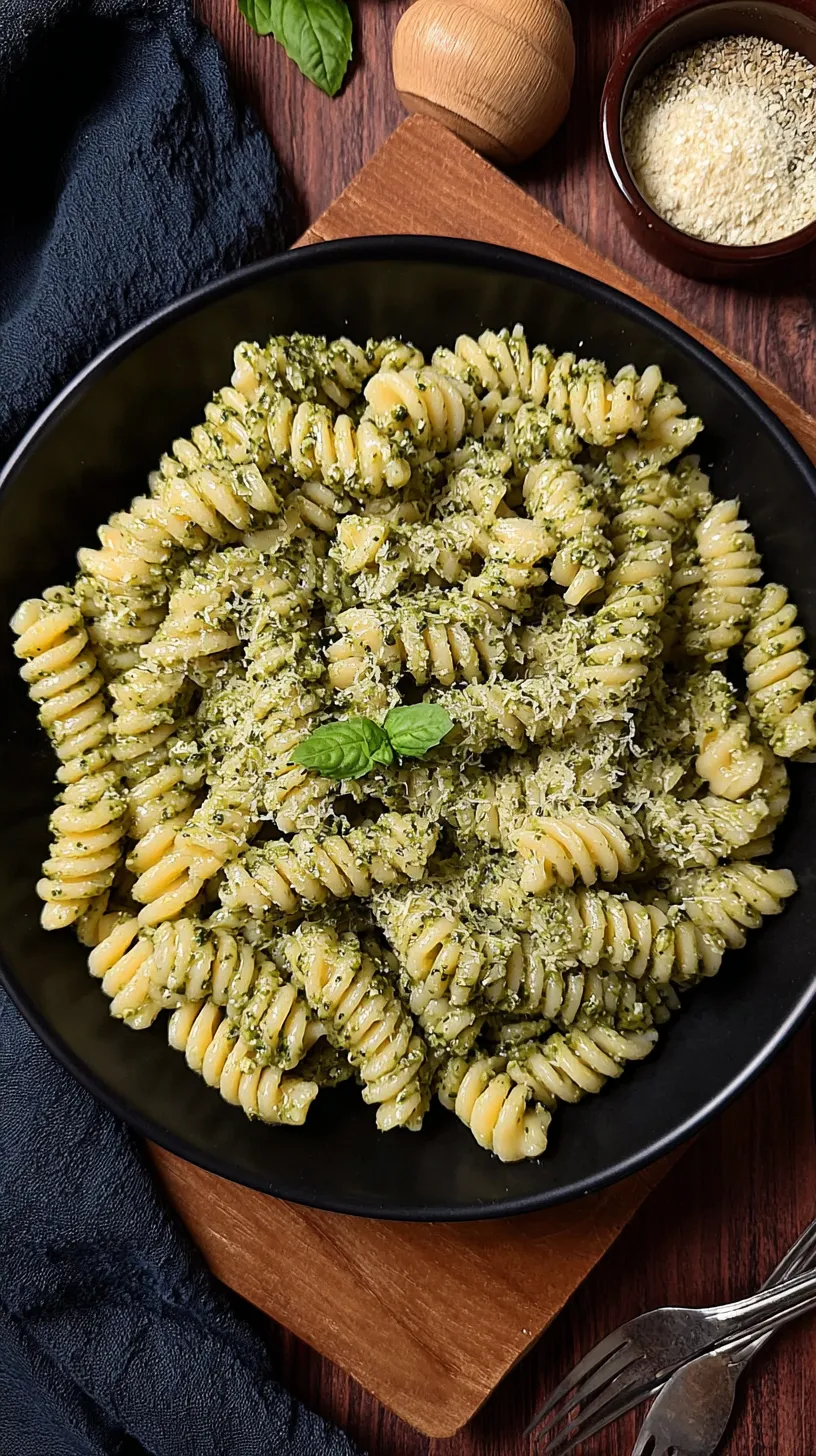
This recipe provides a fantastic base that closely mirrors a classic Alfredo. To fully replicate the experience of a rich vegan alfredo sauce, consider a few additions. A small amount of white or yellow miso paste, blended with the other ingredients, can introduce a fermented, salty depth that adds significant complexity. It deepens the umami flavor initiated by the nutritional yeast.
Another technique is to add a tablespoon of high-quality olive oil or melted vegan butter to the blender. The fat introduces a richness and mouthfeel that more closely imitates the dairy fat in a traditional Alfredo. This small addition makes the sauce feel more decadent and satisfying.
Beyond the Pasta Bowl
The utility of silken tofu extends far past savory sauces. Its neutral flavor and creamy texture make it an incredible ingredient in plant-based desserts. It can form the base of a decadent chocolate mousse or a classic lemon cream pie. When creating such desserts, having a reliable crust is essential. A well-made dairy-free flaky coconut oil pie crust serves as the perfect vessel for a silken tofu-based filling, providing a buttery, crisp contrast to the smooth cream.
Serving and Storing Your Tofu Pasta Sauce
Once the silken tofu pasta sauce is blended to perfection, it is ready for immediate use. The best method is to gently heat the sauce in a saucepan over low heat. Do not boil the sauce, as high heat can sometimes cause it to separate slightly. Whisk it constantly as it warms through.
When your pasta is cooked al dente, use tongs to transfer it directly from the boiling water into the pan with the warm sauce. The starchy pasta water that clings to the noodles is a valuable ingredient; it helps the sauce adhere beautifully to every piece of pasta, creating a perfectly coated dish. Tossing the pasta in the sauce for a minute over low heat allows it to absorb some of the flavor.
This sauce is excellent on all types of pasta, from fettuccine to penne. It also serves as a wonderful base for other dinner recipes, such as a creamy sauce for baked potatoes or a drizzle over steamed vegetables. Store any leftover sauce in an airtight container in the refrigerator for up to four days. The sauce will thicken as it cools; you can thin it with a little water or plant-based milk when reheating.
Creamy Silken Tofu Pasta Sauce
This recipe outlines the precise steps to create a velvety, plant-based cream sauce in minutes. Follow the ingredient measurements and blending technique for a perfect result.
Silken Tofu Pasta Sauce: Easy Creamy Vegan Alfredo
Ingredients
- 1 block firm silken tofu 14-ounce or 400g, drained
- ½ cup nutritional yeast for cheesy flavor
- 3 cloves garlic peeled
- 2 tablespoons fresh lemon juice
- ½ cup unsweetened plant milk almond, soy, or oat milk work well
- 1 teaspoon sea salt or to taste
- ½ teaspoon black pepper freshly ground, or to taste
- Pinch freshly grated nutmeg optional, but recommended for classic Alfredo flavor
- 1 tablespoon olive oil optional, for sautéing or extra richness
- 1 pound pasta of choice fettuccine, spaghetti, or penne recommended
- ½ cup reserved pasta water as needed for thinning the sauce
Instructions
- Cook the Pasta: Bring a large pot of salted water to a boil. Add the pasta and cook according to package directions until al dente. Before draining, reserve about 1 cup of the starchy pasta water. Drain the pasta and set aside.
- Prepare the Sauce: While the pasta is cooking, combine the drained silken tofu, nutritional yeast, peeled garlic cloves, fresh lemon juice, unsweetened plant milk, sea salt, black pepper, and optional nutmeg in a high-speed blender. Blend until completely smooth and creamy, scraping down the sides as needed. Taste and adjust seasonings if necessary.
- Warm the Sauce (Optional): If desired, heat the olive oil in a large skillet or saucepan over medium heat. If you want a hint of sautéed garlic flavor, you can briefly cook an extra minced garlic clove here for 30 seconds before adding the sauce. Pour the blended tofu sauce into the skillet and warm gently for 2-3 minutes, stirring constantly. Do not bring to a rapid boil.
- Combine and Serve: Add the cooked and drained pasta directly to the skillet with the warmed sauce. Toss thoroughly to coat the pasta evenly. If the sauce is too thick, add reserved pasta water, 1-2 tablespoons at a time, until the desired creamy consistency is reached.
- Serve immediately, garnished with fresh parsley or vegan parmesan if desired.
Notes
Frequently Asked Questions
What is silken tofu?
Silken tofu is a very soft, smooth, shelf-stable tofu that does not need to be pressed. It has the highest water content of all tofu types, giving it a delicate, custard-like texture that is ideal for blending into creamy sauces, dressings, and desserts.
Can I use soft tofu instead of silken tofu for this recipe?
Yes, soft tofu can be used as a substitute for silken tofu in this cream sauce recipe. While silken is the ideal choice for the smoothest possible texture, soft block tofu is the next best alternative and will also blend quite well, though the result may be slightly less fluid.
Can silken tofu pasta sauce be frozen?
It is not recommended to freeze silken tofu pasta sauce. Tofu’s structure is comprised of a protein network holding water. When frozen, the water forms ice crystals that disrupt this network. Upon thawing, the tofu releases the water and takes on a spongy, grainy texture, which will ruin the smooth consistency of the sauce.
What else can I make with silken tofu?
Silken tofu is incredibly versatile. Beyond this pasta sauce, it can be used to make vegan sour cream, rich chocolate cream pie, creamy salad dressings, smoothies for a protein boost, and even delicate silken tofu scrambles as an alternative to eggs.
A New Standard for Creamy Sauces
This silken tofu pasta sauce sets a new benchmark for what a dairy-free cream sauce can be. By focusing on the scientific properties of the ingredients and employing a precise technique, you can produce a sauce that is not just a substitute, but a delicious and satisfying creation in its own right.
The combination of silken tofu’s texture and the savory punch of nutritional yeast delivers a rich vegan alfredo sauce experience without compromise. It is a testament to how simple, quality ingredients can be transformed into something truly exceptional with the right approach.